When Numbers Do Not Tell The Tale: A Tribute To My Friend

Image

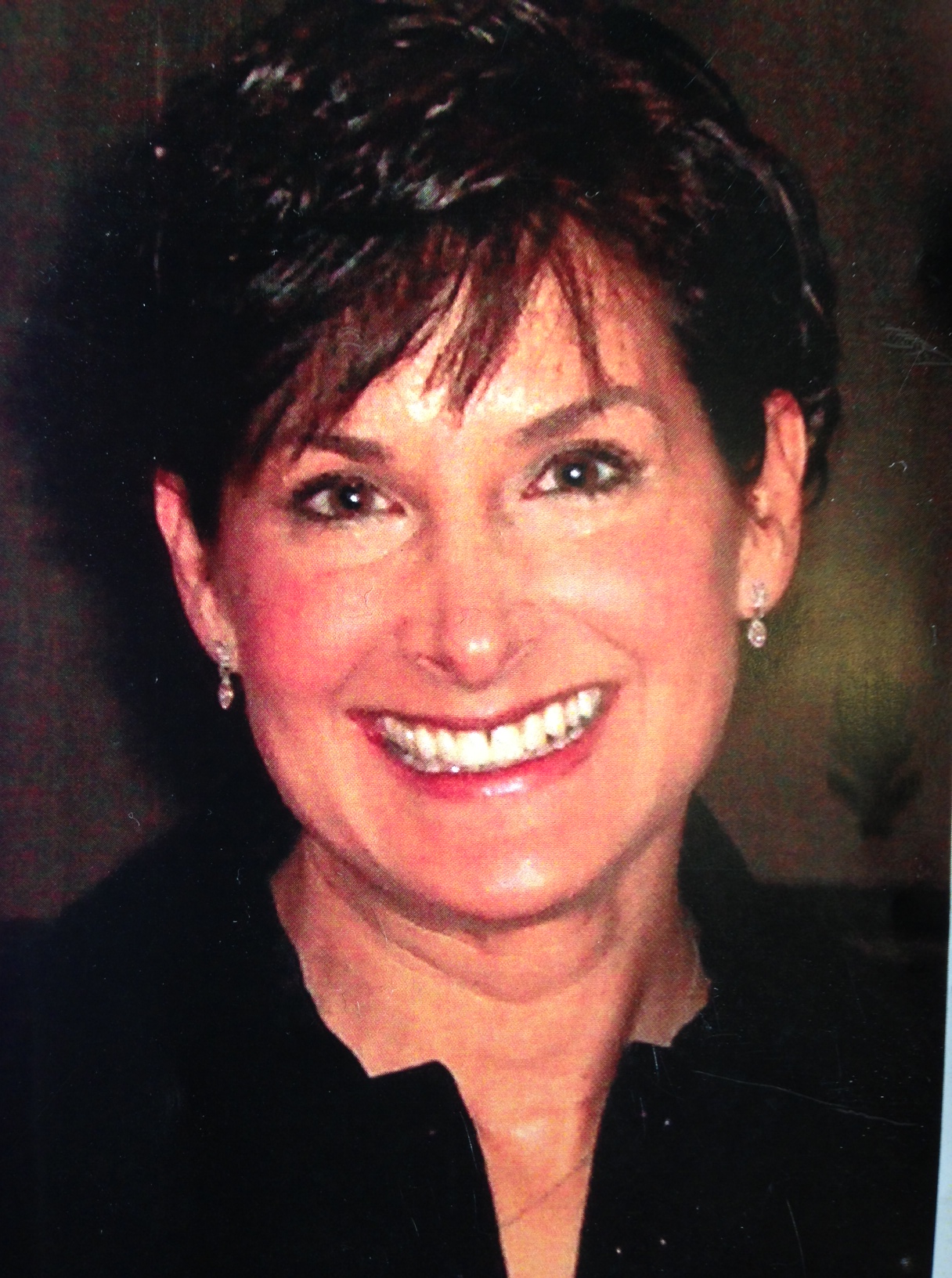
Holly Osman 1959-2013

There is an emotional toughness one must have, working with cancer patients.  Oncologists tend to be pretty well-armored.  You don’t, for example, expect the head of Clinical Genetic Services at Memorial Sloan-Kettering Cancer Center to get emotional when a student asks a question about surveillance after prophylactic mastectomy.  So it was a surprise when Dr. Robson paused, and raised his eyes, with a blank expression that might have been masking tears.  “I used to say no more surveillance was necessary,” he said.  “But then I had a patient who rocked my world.”

Sitting in the audience, a chill ran down my spine.  You see, I knew her too.  Not as a counselor but as a friend.  A BRCA 1 mutation ran in her family.  She had tested positive for it years earlier, so after she had her beloved Sarah and Eric she did the surgery – smiled her way through it, no problems, no complaints, no second guesses.  “No big deal,” she said, with a smile that dared you to doubt her.  She was going to get the gift her own mother was denied: a little more time.  Time to watch her kids grow up, get married, have children of their own.

It’s never an easy business telling women to cut off their healthy breasts and put themselves into an early menopause.  No matter how deeply you believe in what you are offering, these are hard conversations to have.  But it wouldn’t have been hard with Holly.  She would have smiled from ear to ear and waved away all the negatives with a flutter of her left hand.  She was brave like that, and certain.

If your prior risk of breast cancer is 85%, and a mastectomy removes 98% of the breast tissue, your posterior risk should be approximately 3%.  That’s a risk reduction of 96.5%.  Wonderful numbers — but only numbers.  Numbers didn’t matter when Holly was diagnosed with breast cancer in 2004.  Or when it came back in 2006 (stage four, incurable).  I spoke to Dr. Robson and one of the genetic counselors from MSKCC after the lecture.  “I know Holly too,” I said.  There was pain in their faces.  “She did everything right.  It’s so unfair.”

“It’s not just that,” said the counselor.  “She is the nicest person.  Whenever someone really needs support we have them talk to Holly.  She never says no.”

What can I tell you about Holly Osman?  She would not forgive me if I did not describe her as happy and successful.  A great family.  A husband who adores her.  Two wonderful kids – almost adults now.  Her daughter looks just like her, but with a hell of a lot more attitude, and Holly loved that.  She loved it when her kids were independent and she loved it when they needed her.  Her son is ridiculous: handsome, smart, poised and kind.  ‘Screw up a little,’ you want to say.  Stop making the rest of us look bad.

If I had to pick one word for Holly it would be effortless.  Some of us clean up nicely, but Holly looked great all the time, in a classic way that required no adornment. Roll her out of bed at 3 AM, and she would still be beautiful.  And effortless wasn’t just her style, it was her way of being – ask her how things were going and she said “great!”  You could try and empower her to complain a bit — good luck with that.  Holly wasn’t very interested in complaining — which was annoying for me.  I myself would have whined.  Not Holly.  Her life was SO fabulous.  Her doctors were SO great.  If you asked her about how treatment was going she would look blank for a moment, as though she didn’t remember what you were talking about.  She had this look that seemed to say, ‘Oh yes, chemo – I had forgotten.’  Did she need anything?  Could I drive carpool for her this week?  “Why?” Holly said.

She was the luckiest person in the world.  She insisted on that right until the last moment, until last Friday, the day she died, in Holly-fashion, quietly and without drama, nestled in the heart of the family she had nurtured on every level imaginable.  I don’t know; maybe she was the luckiest person in the world.  I can tell you that the rest of us left behind feel a little bit less lucky now.

She did have a lot of luck, it’s just that some of it was bad.  As a friend who happened to be a genetic counselor, I always felt a little guilty, as though we had let her down.  We counselors love the safety of numbers, of facts, of things we know.  We told her the truth, it just wasn’t her truth.  As predictive testing goes, BRCA analysis is one of the best.  It has, as we say, clinical validity and clinical utility.  Holly understood that too; even after her own diagnosis she counseled a much-adored younger sister to have the same surgery, the one that had failed to save her.  Holly’s story is not a repudiation of what we have to offer.  It is a reminder of the limitations of the fortune-teller’s art.  Percentages are true only for epidemiologists, while people live out their lives as a series of n=1 experiments.  There is an arrogance in the certainty of numbers that will always be undone by the stochastic process that is life.

Here’s how I know: I had a friend who rocked my world.

Rest in peace, Holls.  Rest in peace.
5 Comments

Filed under Laura Hercher

Star Power

BRCA is a hot news item these days. The SCOTUS ruling on the Myriad patent. Angeline Jolie writing in the New York Times about her experience with BRCA testing. A movie about BRCA testing starring Helen Hunt as Mary-Claire King (Hey,when they make the movie about me, they will have to get Clooney or Depp for the lead). But BRCA testing has been around for about 15 years and I have met with  thousands of patients who have gone through the decision-making process about genetic testing. For some the choice was a snap; for others it was a difficult, soul-searching affair. I eventually realized  the obvious – nobody undergoes BRCA testing until they are emotionally ready.

Public lectures, brochures, ad campaigns, podcasts, TV commercials, advertisements, physician referrals, and word of mouth all increase awareness of BRCA testing but they do not necessarily drive people to actually meet with a genetic counselor or to undergo testing. When reviewing medical records prior to a patient’s appointment, I frequently see the notation “Recommended that the patient see Bob Resta for BRCA testing” repeated multiple times over the years by different providers – radiologists, family practitioners, gynecologists, etc. Patients often need a trigger to make the appointment phone call. A cancer diagnosis pushes some patients to testing to help guide their treatment decisions, which, from a preventative public health stand point, is a significant systems failure. Many patients, particularly those who have not yet been diagnosed with cancer, need an emotional trigger – a friend diagnosed with cancer, reaching the age when a parent was diagnosed with cancer, coming to grips with the responsibilities of parenthood, or an experience that causes them to acknowledge their mortality.

These triggers have resulted in a more or less steadily increasing flow of  referrals, with occasional rises and dips that follows a pattern that is no more transparent to me than the whimsical ups and downs of the stock market. But overall cancer genetic counseling and testing is still underutilized.

And then came Angelina Jolie.

I am guessing that most cancer genetics programs were swamped with a tsunami of referrals after May 14th.  Rumor has it that  some genetic counselors have taken to saying that the AJ Panel now stands for Angelina Jolie Panel, not Ashkenazi Jewish Panel (well, not really, I just made that up, but it could be true). At my institution, I roll my own; I am the only genetic counselor in our hereditary cancer program, so the leap in patient volume has been particularly acute for me.

Wave

Initially I thought I was just a cranky old counselor complaining about a couple of busy days. But then I  compared my patient load in the 4 weeks before Angelina Jolie’s New York Times piece on May 14th  to the 4 weeks after. I grant you this is not exactly a scientific methodology, and I can think of all kinds of faults in the study design. But it probably provides a reasonable approximation of reality.

In the 4 weeks before May 14th, I met with 54 patients, almost all of whom were new patients, a typical volume for me. Twenty of those 54 visits (37%) were by patients who had a family history of  cancer, rather than having been diagnosed with  cancer. 35 patients underwent BRCA testing.

In comparison, in the 4 weeks after May 14th, there have been 90 clinic visits, a 66% increase compared to the prior 4 weeks.  58 patients underwent BRCA testing, also a 66% increase. It was not due to mini-epidemic of breast cancer in my neck of the woods (although Seattle has the highest incidence of breast cancer in the country) – 52 of those 90 visits (58%) were by healthy patients who had a family history of cancer.

Perhaps this bump in my workload was  a seasonal thing as people clear off their to-do lists before summer vacation, but I did not find similar patterns in April/May/June of 2011 or 2012. In fact, in 30 years of practice, I do not believe that my patient volume has ever risen so rapidly so quickly. It is fair to say this increase is largely due to Ms. Jolie’s revelation. Presumably this will eventually taper off. But I already have 20 patients on my schedule for the coming week.

I usually ask patients what motivated them to come in for genetic counseling at this particular time in their lives. A few patients have admitted that Ms. Jolie was their impetus for seeking genetic counseling.  But most were quick to say – sometimes without prompt – “I am not here because of Angelina Jolie. I just decided it was the right time to come in.” That may be true for some, but I suspect that downplaying the Angelina Jolie angle may reflect a bit of embarrassed denial on the part of others. All of us are influenced by influential people, which is why we call them influential. Influence, however, can be so subtly pervasive that we cannot detect its fingerprints. Just ask Don Draper.

Movie

I am not critical of Angelina Jolie’s decision to share her story. No matter how famous you are, it has to be difficult to share such an intensely personal narrative with just about every human being on earth. And her actions may very well help save lives and reduce suffering, which is what we are trying to do in medical care. To many of us, though, it seems paradoxically odd but not surprising that a movie star can play such a critical role in people’s lives. She is not a health care expert; she doesn’t even play a doctor on TV.

But as I have argued before, genetic counselors have less influence on patients than we like to believe. Medical decisions and healthcare utilization are shaped by a complex web of emotional, social, cultural, and psychological factors, many of which people are not willing to acknowledge or are even cognizant of, and which are beyond the control of genetic counselors.

If we want to better integrate genetic counseling into standard medical care, we need to move beyond a model of Healthcare Provider Education and  Referral Pamphlets  Are The Best Way To Get People Into Our Offices. We need to take a page from DTC genetic companies’ playbooks and make it less of a hassle for patients to utilize genetic counseling and testing. We need to tap into social psychology and tease out the factors that lead patient’s from their front doors to our office doors. The future of the genetic counseling profession depends on it.

2 Comments

Filed under Robert Resta

Guest Post: An Education in ‘Re-identification’: Learning From the Personal Genome Project

By LEILA JAMAL, ScM

Leila Jamal is a genetic counselor in pediatric neurology and a PhD student in Bioethics and Health Policy.  The views expressed here are hers and hers only.

As many are now aware, Latanya Sweeney and her colleagues at Harvard’s Data Privacy Lab recently published a study demonstrating the individual “re-identifiability” of research participants in the Personal Genome Project (PGP).  Despite misleading news coverage overstating the proportion of individuals Sweeney’s team re-identified (using self-reported birthdates, genders, and zip codes) the study has sparked some useful discussions about the implications of ‘re-identifiability’ for genomic research and the ethics of re-identification demonstrations.  For a comprehensive roundup of these issues, I recommend reading a series of perspectives corralled by Michelle N. Meyer in her Online Re-Identification Symposium over at the Petrie-Flom Center’s Bill of Health.  This post will not match the breadth and depth of insight covered by my friends and colleagues there.   My more modest aim is to contemplate what genomic researchers and counselors can learn from the ripple effects of Sweeney’s study.

The PGP is demonstration project in its own right, with one of its goals being to “explore the opportunities, risks, and impacts of public genomics research”.   As clairvoyants who saw the pitfalls of guaranteeing anonymity to participants in whole-genome research early on, PGP founder George Church and colleagues developed a novel strategy for securing the trust of prospective participants by privileging the principle of “veracity” in their informed consent process.  Accordingly, the PGP informed consent form clearly tells prospective participants that any personal data they contribute to the PGP may be linked to their individual names.

By pursuing this strategy, the PGP nudged a shift in our thinking about the risks of genomic research.  The emphasis on veracity reflects a subordination of concern about risks to individuals posed by anonymity breeches in favor of concern about risks to genomic research posed by breeches of researcher-participant trust.   Since its inception in 2005, the PGP has reciprocated the openness of its participants by developing open-source research tools, hosting them at an annual education meeting, returning their individual research data, and keeping them abreast of the PGP’s activities with blog updates.

In light of the PGP’s emphasis on transparency and data-sharing, a key question raised in the aftermath of the Sweeney et al. study is whether participants had a “right” to be distressed – or even surprised – that their identities were (potentially) made public by a third-party demonstration project.  In a pair of symposium posts, Madeleine Ball and Misha Angrist stress that the possibility of individual participant identification from PGP data is explained thoroughly in the project’s informed consent form, pre-enrollment study guide, and ongoing correspondence with participants.  Their advice to anyone in the PGP with residual concerns about being identifiable? To refrain from sharing ‘sensitive’ data with the PGP, or to withdraw what data they can from the protocol altogether.

On the surface, these suggestions make complete sense and are consistent with the PGP’s fidelity to the principles of veracity and respect for autonomy.  Yet their bottom line makes me uncomfortable.  It reminds me of a recent meeting I attended where Johns Hopkins bioethicist Jeffrey Kahn spoke to a group of communications researchers about the ethical issues raised by using Twitter API and other internet data in public health research.   Kahn’s suggestion that mining ‘anonymous’ Twitter data (which is stamped by time and location) for health-relevant content could be upsetting or even harmful to some Twitter users was met with a common rebuttal, loosely paraphrased as follows:  “If they don’t want it used, they shouldn’t have put it out there.”

To me, this sounded like the research ethics equivalent of being told I deserve to be catcalled for wearing a skirt in the street.

Obviously, the PGP is not trying to be the street, nor is it trying to be Twitter.  Given the PGP’s specific ethos and aims, some might argue that adopting a “we told you so” approach to informed consent is sufficient to advance the project’s research aims (though I suspect not, given my wholehearted faith in the PGP’s commitment to collecting reliable phenotype data and recruiting diverse participants, not to mention departing from the status quo in research ethics.)  To its credit, the PGP has welcomed the response to Sweeney’s re-identification demonstration as a teaching moment and is soliciting feedback about how to improve its communication with participants.  The PGP’s humility moves me to consider: What are the rest of us taking for granted about research participants’ long-term views regarding secondary uses of their personal data – ‘identifiable’ or otherwise?

In her own re-identification symposium post, Meyer highlights a number of concerns I share (in case I butcher them in what follows, I encourage readers to refer directly to her original words.)  Responding to Angrist’s question about why she remains in the PGP despite misgivings over Sweeney’s findings, Meyer draws an important distinction between a) assuming the risk of individual re-identification to advance biomedical research (which she authorized) and b) providing consent for third parties to use her data with the explicit goal of determining her identity (which she did not).  At the core of Meyer’s qualm is that “choosing to share personal information when asked is different than having that information taken from you without your permission or even knowledge” [emphasis mine].  Her point is that we shouldn’t have to choose ‘both’ or ‘neither’ to participate in genomic research.

The irony of this debate is that the PGP leadership has asked its discontents to withdraw data from the protocol to mitigate their concerns over the risks of being re-identified, when the breech Meyer refers to is one of trust and shared understanding about the purposes of donating her data to research.  Aren’t trust and understanding the very dimensions of the research-participant relationship the PGP seeks to preserve with its veracious approach to informed consent?  If so, this is a critical lesson for any of us involved in biomedical research at a time of impending (we think) regulatory reform.  If such misunderstandings can surface in a cohort of scientifically literate and motivated “genomic altruists” despite a rigorous informed consent process, what does this presage for other, less thoughtful research projects in an era of genomic identifiability?  It would suggest that reforming U.S. research ethics regulations to encourage the use of more ‘open’ informed consent protocols administered at a single time point would be insufficient to respect autonomy and voluntariness in research participation.  At best.

As a member of the ethics team for Genetic Alliance’s new Registry for All Diseases [Reg4All] I follow events like these with interest and concern.   Reg4All is committed to building an inclusive, accessible research repository while honoring heterogeneous privacy preferences and facilitating participants’ control over aspects of data-sharing that matter to them.  Like the PGP, Reg4All will evolve in response to the engagement and feedback of research participants.   In order to listen to them, we must know who they are.  But once we do know, we must REALLY listen.

Leave a comment

Filed under Guest Blogger

Bye-Bye Bi-Polar: A New Nosology for Psychiatric Disease — What Does It Mean for Genetic Counseling?

Tom Insel, director of the National Institute of Mental Health (NIMH), roiled the world of psychiatry in a blog post (how very 21st Century of him!).  The post concerned the revised Diagnostic and Statistical Manual of Mental Disorders – the DSM V, due out in a matter of weeks – and it was not a good review for the ‘bible of psychiatry’: “Unlike our definitions of ischemic heart disease, lymphoma, or AIDS, the DSM diagnoses are based on a consensus about clusters of clinical symptoms, not any objective laboratory measure.  In the rest of medicine, this would be equivalent to creating diagnostic systems based on the nature of chest pain or the quality of fever. Indeed, symptom-based diagnosis, once common in other areas of medicine, has been largely replaced in the past half century as we have understood that symptoms alone rarely indicate the best choice of treatment.”

“It’s weakness, “ said Insel, “is its lack of validity.”

Wow.  That is a pretty bad weakness.

Insel’s statement is not news to anyone who studies the genetics of psychiatric disease.  Although many psychiatric illnesses have high heritability, it is increasingly obvious that current list of diseases as defined do not line up neatly with genetic risk factors, whether those risks are established through family history or molecular testing.  A first degree relative with obsessive compulsive disease is a risk factor for Tourette’s as well as OCD; a deletion in 22q11.2 is almost equally likely to lead to a diagnosis of schizophrenia or bipolar disease.  We might think of this as overlapping genetic inheritance, but in fact it illustrates how badly our current labels function when it comes to identifying etiology.

What was news was Insel’s plan to re-orient research funding away from the diagnoses defined by the DSM and towards a new system based on biomarkers like genetic findings, gene expression and brain imaging along with categories of phenotypic information like anhedonia or psychosis without regard to diagnosis.  To this end, the NIMH has launched a campaign to establish research domain criteria (NIMH being an arm of government, it has an acronym: LDT EGAP IVDMIA RDoC).  Researchers are encouraged to base their inquires on RDoC that cut may across, or subdivide, traditional diagnostic categories.

NIMH, as virtually every article, blog or twitter post on this subject pointed out, is ‘the world’s largest funder of research on mental illness.’  That makes this a high-stakes announcement, and change of this magnitude is complicated – after all, valid or not, all the existing literature is based on these diagnostic categories.  Ongoing research is based on DSM diagnoses, as is clinical practice, billing and reimbursement.  So to some extent we are stuck with what we have, warts and all, for the time being.  Insel knows this, just as the authors of the revised DSM know that their system is flawed.  The take-home story here is not a fight between two sides, but a demarcation of a significant moment in time, as the ocean liner that is psychiatry begins a slow turn away from labels based on symptoms and towards a alternate world where diagnosis is based on biological causes, markers and measures of disease.

Someday, designations like schizophrenia or major depressive disorder may sound as quaint as rheumatism or dropsy.  For genetic counselors, it presents a dilemma in the near term.  What goes into the pedigree?  We don’t want to make it more difficult, since we know that genetic counselors are already disinclined to tackle psychiatric illness as a part of the family history.  But possibly this too is a symptom and not a cause: perhaps one reason genetic counselors are hesitant to ask about mental illness is that the associations between disease and recurrence risk are too complicated.  Because anything you can say is squishy and vague and threatening and non-specific.  Who likes that?  Not science people.

Would it be an improvement, if we recorded information about phenotype and test results as defined by RDoC?  Do we need to think about that?  Is this simply a research designation, or is it going to bleed into clinical care sooner rather than later?  I don’t have answers for these questions, but I am directing them to the wonderful and small but highly motivated cadre of genetic counselors who work primarily in psychiatric genetics (I know who you are!  No hiding).  Can you weigh in for us on what all this means for genetic counseling?

Leave a comment

Filed under Laura Hercher

And Bob’s Your Uncle: A Guide To Defining Great Aunts, Great-Great Grandparents, First Cousins Once-Removed, and Other Kinfolk

When genetic counselors attend family reunions, their unofficial job becomes Namer-of-Relationships. “Keith, you and I are first cousins once-removed. Viola is my great aunt. Margo, you are my mother’s second cousin’s second wife so you would be…..well, some kind of in-law or kissing cousin, I guess.”  It gets confusing, even for experts. It is even more difficult for patients or referring providers who try to relate a family history of a second cousin with a cleft palate and a heart defect but who is actually a first cousin once-removed.

Below I have created a generic pedigree that illustrates the most common familial relationships in the kinship system of the modern Western English-speaking world. The pedigree undoubtedly contains errors and omissions. So, in the spirit of crowd sourcing, I encourage my fellow pedigree wonks to scrutinize it and report mistakes, mislabelings, missing relatives, and thoughtful commentary in the Comments section below (this would also be a great discussion topic for a few hours of a genetic counseling student seminar).

Click to Enlarge

Click to Enlarge

The accompanying explanatory table supplies details, controversies and inconsistencies. I am cowardly avoiding the complicated relationships that stem from assisted reproductive technologies such as donor eggs, donor sperm, surrogate mothers, etc. Of course, the person you decide to call Mother, Father, Uncle, Cousin, etc. is based not on genetic relationship but on personal experience, family preferences, and social norms.

For those not familiar with pedigree arcana, each individual is identified with a numbering scheme such that relatives in the first generation (at the top of the pedigree) are identified with a Roman numeral  (e.g., I) and an Arabic numeral (e.g., 2). This indicates, reading from left to right, that I-2 is the second person on the first line of the pedigree. The next generation down is numbered II, and so on. Thus, IV-7 is the seventh person in the fourth generation and who is the the proband or propositus, the reference point for the relationships. IV-7’s father is III-3, IV-7’s paternal great grandfathers are I-2 and I-4, and so on.

There seems to be no widely accepted guidelines for when to include hyphens in a relationship name (e.g., great-grandfather vs. great grandfather). Since this is my blog post, I get to decide the grammatical rules. Thus, because I tend to be a minimalist, I hyphenate only when there is more than one “great” in a title. In the pedigree, I-1 is a great-great-uncle, but I-2 is a great grandfather. I also use hyphens in “removed” relationships (e.g., first cousin once-removed) because, well, it just looks right. Stepmother seems to be more common than either step mother or  step-mother. However,  “stepbrother” is infrequent. For consistency, I recommend the spaced-but-not-hyphenated style for “step” and “half” descriptors” (e.g., half brother, step mother).

An alternative graphic to describe family relationships is the Canon Law Relationship Chart.

Image from Wikipedia Commons, under the GNU Free Documentation License. http://en.m.wikipedia.org/wiki/File:Canon_law_relationship_chart.svg#section_2

Image from Wikipedia Commons, under the GNU Free Documentation License. http://en.m.wikipedia.org/wiki/File:Canon_law_relationship_chart.svg#section_2

The relationships illustrated in the pedigree are described as follows:

Self, You, (AKA Proband, Propositus): IV-7, the person who is the reference point for  all relationships in the pedigree.

Parents:

Genetic Father: III-3

Genetic Mother: III-4

Step Parent: III-5, the new or former spouse of your genetic mother or father.

Siblings

Full Brother: IV-8. Male siblings with whom you share both genetic parents.

Full Sister: IV-9. Female siblings with whom you share both genetic parents.

Half Sibling: IV-10. A sibling with whom you share only one genetic parent. Or, as one of my patients said to me the other day “She is my half of a sister.”

Step Sibling: IV-11. A sibling with whom you share no genetic parents, e.g., the son  your stepfather had with his previous wife.

Children

Son: V-2. A male child.

Daughter: V-3.  A female child.

Step Child: V-1. The son or daughter that your spouse had with a previous spouse.

Grandchildren

Grandson, Granddaughter: VI-1. Your child’s son and daughter, respectively.

Great Grandson, Great Granddaughter: VII-1. The son and daughter, respectively, of your grandson or your granddaughter.

Grandparents

Grandfather: II-3, II-5. The father of your mother or father. But note the inconsistent use of grand and great. The brother and sister of your grandfather is your great uncle and great aunt (vide infra, Great Uncle, Grand Nephew). Presumably the word stems from the French grand-père, which itself goes back to the 12th century. Prior to the French influence, a grandfather was referred to as a grandsire, and prior to that, in Old English, the Germanic-derived ealdefæder or eldfader.

Great Grandfather:  I-2, I-4, I-6, I-8. The father of your grandparent.

Grandmother: II-4, II-6. The mother of your mother or your father.

 Great Grandmother: I-3, I-5, I-7, I-9. The mother of your grandparent.

Uncles, Aunts

Uncle: III-2, III-8. A brother of one of your parents

Aunt: III-1, III-9. A sister of one of your parents

Great Uncle: II-2, II-7. A brother of one of your 4 grandparents.  I thought about recommending the  less commonly used title Grand Uncle (or Grand Aunt) because these individuals are in the same generation as your grandparents. When they are referred to as Great relatives, it seems to imply that they are in the generation prior to your grandparents’ generation. I suspect, though, that Great is so well established that it is unlikely to replaced by Grand. And you share more genetic information with your Grandparents than you do with your Great Uncles, so perhaps using Great rather than Grand is an acknowledgment of that genetic difference (vide supra, Grandfather; vide infra, Grand Nephew vs. Great Nephew).

Great Aunt: II-1, II-8. A sister of one of your 4 grandparents

Great-Great Uncle: I-1. A brother of one of your 8 great grandparents. Note the slightly confusing terminology – the siblings of your great grandparents have two “greats” in their relationship title, compared to only one “great” in their sibling, your great grandparent.

Great-Great Aunt: I-10. A sister of one of your 8 great grandparents.

Nephew, Nieces

Nephew, Niece: V-4, V-6, V-5, V-7. The son and daughter, respectively, of your sibling.

Great Nephew (Grand Nephew), Great Niece (Grand Niece): VI-2, VI-3.  The son and daughter, respectively, of your nephew or niece. In genealogy circles, it is more common to use Grand rather than Great, on the basis that this relative is as many generations removed from you as your grandparent is, only in the other direction. However, in my view, if the siblings of your grandparents are Great Uncles and Great Aunts, then it seems to me that there is greater symmetry in calling them Great Nephew rather than Grand Nephew. Besides, you share as much genetic information with your Great Nephew as you do with your Great Aunt, so from that standpoint it makes more sense to go with Great rather than Grand (vide supra, Great Uncle, Grandfather.

Cousins

First Cousin: IV-1, IV-2, IV-3, IV-4, IV-12, IV-13, IV-14, IV-15. The children of your aunts and uncles.

Second Cousin: IV-16.  The children of your parents’ first cousins.

First Cousin Once-Removed : V-8, III-10. The children of your first cousins OR the parents of your second cousin (who could also be properly called your second cousins once-removed). Once-removed refers to the fact that the relative is one generation removed from you, either one generation above or one generation below. The children of your second cousins could also be called your second cousins once-removed. This is one of the confusing areas where different relatives can have the same title and the same title could be applied to different relatives.

First Cousin TwiceRemoved: VI-4. The grandchildren of your first cousins.

Unnamed Relationships:

IV-5, III-6, III-7. As far as I am aware, in Western European kinship systems, there is no title for your spouse’s previous spouse IV-5), your step parent’s previous spouse (III-6), or the previous spouse of your step parent’s previous spouse (III-7).

85 Comments

Filed under Robert Resta

Customer Disservice?

“Words used carelessly, as if they did not matter in any serious way, often allowed otherwise well-guarded truths to seep through.”
― Douglas Adams, The Long Dark Tea-Time of the Soul

Vocabulary is never just a bunch of words. Consciously or unconsciously, word choices reflect underlying ethical, moral, and philosophical values. Which brings me to why I have a problem with the growing trend to embrace the Customer Service Model of Patient Care.

Genetic counselors wake up every morning and go to work because we are driven by a desire to help people. We strive to use our skills to alleviate the psychological and physical turmoil dealt by the cruel and impersonal hand of Genetic Fate. We encourage patients to pour out their sadness, anger, fear, and insecurity in the safe havens of our offices where we offer comfort, unquestioning support, and some hope in their darkest hours. We want their lives to be better for having met with us. I witness this same deeply ingrained desire to help patients in many of my health care colleagues  – physicians, nurses, imaging technicians, office staff.

Suffering

So what’s not to like about the Customer Service Model of Patient Care? It encourages health care providers to be supportive and respectful, and to put patients at the center of clinical encounters. Customer service skills in the clinic are important to our relationships with referring physicians, and for genetic counselors who work in lab positions where they interact primarily with health care providers.

My uneasiness with the Customer Service Model stems from the implications of referring to patients as customers. Think about it. Labeling people as customers subtly focuses the health care interaction on profit. Patients are stripped of their emotional and physical vulnerabilities and reduced to revenue sources. It is downright disrespectful. Why should I feel compassion for patients if I am trying to convince them to fork over their hard-earned money?

Cash Patients

The message communicated by the vocabulary is not “Let us try to alleviate your suffering and to care for you as human beings.” Rather the message is “I am being nice to you so you will keep coming back to my store.” And, inevitably,  models of customer service developed by highly successful corporations like Amazon, Nordstrom’s, and Starbucks are held up as paradigms for healthcare providers to emulate. Scripted patient interactions and Greeters at hospital entrances cannot be far behind. But corporately-mandated niceness can be as transparent to patients as a pair of Lululemon yoga pants.

Typically, the Customer Service Model is presented as a clever acronym, such as  MAGIC, ACES, FISH!, or HEAT. Does anyone sincerely believe that the complex interaction between health care provider and patient can be  simplified to a conveniently bulleted PowerPoint slide?

I am not a financial naif. I am acutely aware of the dire economic status of the American health care system, the razor-thin profit margins of hospitals, and the critical importance of a fiscally sound organization. But there is no reason to believe that the Customer Service Model generates any more income or additional business than empathic providers and highly competent medical care. Indeed, keeping the focus on the patient – rather than the customer – has the potential to increase hospital revenue because it implies that health care providers are emotionally invested in the care of their patients.

The possibility that patients might think that the medical encounter is financially driven is re-enforced when they walk into physicians’ offices where nutritional supplements, skin care products, eyeglasses, and other medical “accessories” are offered for sale. If patients are led to believe that we view them as customers, then it could reduce their trust in us and the care we provide. Why should patients trust our medical advice if they think we are trying to profit from their suffering? This makes it all the more critical to stay sensitive to the appearance of conflicts of interest and to our blind spots.

We cannot honestly say to ourselves “Well, I know I am calling them customers, but I don’t really think of them as customers.” As George Orwell pointed out, language can corrupt thought as readily as thought can corrupt language. We must choose our words carefully.

Word Choice

4 Comments

Filed under Robert Resta

Morality and Reality: Two Arguments in Favor of the Recommendations for Return of Incidental Findings Released by the ACMG

Recently, the ACMG released recommendations for return of incidental findings  following genome or exome sequencing, garnering a great deal of attention in the science media and some in the popular media as well – most of it stressing two points: the fact that the guidelines call for certain results to be returned regardless of patient preferences, and that they call for the same results to be returned regardless of patient age.  These are big departures from current practice, and they have drawn a lot of fire for going too far (or for not going far enough).

The reasons for the paradigm change were explained at length in the ACMG report, which is well written and worth reading in it’s entirety.  I am going to discuss a few of those reasons here, but first let me emphasize one thing I believe was often obscured in the first-reaction coverage: the report does not suggest that all incidental findings should be reported.  Not even close.  The list of conditions is relatively short (about 35, although the authors acknowledge that it will inevitably get longer) and strictly curated.  In each case the result in question has a well-established risk of likely and serious harm, at least potentially amenable to intervention.  Likely, serious, preventable: the criteria echo the language of duty to warn, stemming from the famous Tarasoff case in the 1970’s.  In duty to warn cases, the danger is such that it demands action even when that action violates a patient’s right of confidentiality – a serious breach, and as such the bar is set high.  In this case, the competing right, as it were, is the right not to know – or to state one’s preferences – and the danger is to oneself and one’s family rather than to a stranger.  But the model is the same, as is the commitment to reserving this option for circumstances where the risk is compelling.

One difference between a duty to warn scenario and incidental findings is that with IF’s, you have the option, theoretically, of asking the individual for his or her preferences in advance, and then using that as a guide.  That has always been our default recommendation, and the ACMG report explains several reasons why they deviated from this standard:

1. The information is THAT important.

 Driving the issue of incidental findings is a better understanding of what certain gene changes mean – not perfect, but better.  Mutations of significant prognostic value used to be the exception and not the rule – okay, they still are.  A lot of the information we have about genetic variation is suggestive rather than diagnostic.  Only a limited number of known gene changes produce risks in the manner of, say, BRCA 1/2 mutations.  But some things do.  Hypertrophic cardiomyopathy.  MEN2.  Familial hypercholesterolemia.  Remember, the right not to know – the acknowledgement that someone might reasonably assume they were better off not knowing – is predicated on the inherent uncertainty of genetic information, and our inability to change the outcome.  And while I would be the last person to suggest that is no longer the case as a rule, we have made some progress on both of those fronts.

We still have a way to go to understand the relationship between genotype and phenotype, especially where medical or family history are uninformative.  For some if not most of genetic variation, I personally doubt we will ever reach the point of acceptable or compelling certainty.  But we have come to the point where BRCA 1/2 is not the ONLY example of a relatively common genetic variant with real predictive utility.  The list assembled by ACMG is going to get added to – and perhaps subtracted from – over time.  But there are a limited number of circumstances where the risk of harm is so great and so well substantiated that in the event of a bad outcome, our justification after the fact for not identifying and disclosing those results would ring hollow in our own ears.

2. Setting a standard that relies on pre-test counseling is unrealistic as the use of genome-based testing expands beyond the genetics clinic.

 The best thing about the ACMG recommendations is that they are what I like to call reality-based.  First, genetic testing is increasingly used in all sorts of subspecialties (cardiology, pediatrics, audiology, oncology, etc).  We can’t dictate to them how to do pre-test counseling, and even if we could, they are not necessarily prepared to explain genetic concepts.  We imagine a world where sequence-based testing is a first-line alternative in all sorts of medical situations, from emergencies to routine medicine.  If you assume that an expert and careful process of informed consent does not occur, as it absolutely will not in many circumstances, then you need to establish what happens by default, when the clinician does not have any information on patient preferences.  This set of recommendations doesn’t close the book on that process, but it does provide a really well thought out starting place.  It gives you a baseline: if nothing else don’t miss these.  That’s tremendously valuable.

Additionally, standards that rely on pre-test counseling may sound ideal, but often prescribe procedures for the informed consent that are problematic in their own right.  Informed consent is not a junk drawer where you cram everything that does not fit somewhere else.  Beyond a certain point, pre-test counseling becomes a process of wearing down rather than educating a patient – in writing or in person, the moral equivalent of ten pages of fine print is a bludgeon and not a tool.

3. Inconsistent reporting from laboratories is dangerous.

 No question but that the thrust of the ACMG recommendations is to suggest that this is information that should be delivered to the patients and their families.  But in fact, the guidelines don’t dictate what a clinician should tell a patient; they spell out what a lab should give to a clinician.  They set standards for what a lab should be obligated to look for and report in all uses of exome and genome sequencing.  And even if you take issue with the list, there is still a benefit to establishing uniformity.  Currently, the labs that do commercial exome sequencing vary widely in reporting procedures – some give back a great range of results, others only those relevant to the diagnostic question, and others provide a choice.  For the clinician, this means that advising a patient for what to expect from testing must be tailored to each lab’s protocol.  And it leaves a lot of room for confusion.  For instance, a physician accustomed to getting incidental information on – say cardiomyopathies – might see the absence of that information as a clean bill of health, when it might merely represent the typical practice of a certain lab.

Clinicians, the ACMG report acknowledges, will put the results in context for patients and families.  Therefore, the recommendations as written provide more room for clinical judgment than the headline suggest.  It is at the clinical level that family history, medical history and immediate context are integrated into how, what and when information is given out.  Patient preferences can be taken into account, as can the priorities of a patient or a family in times of stress.

Furthermore, since most incidental findings (including carrier status, pharmacogenetic information, etc) are not included in this list, there is a lot of room for a clinician who design a process based largely on patient preferences.  The recommended list is a floor and not a ceiling; it begins but does not end the dialogue between the provider and the patient.

In reviewing the current debate over the return of incidental findings, the ACMG report categorizes the two sides thusly: there are genetic libertarians and the genetic empiricists.  Libertarians wish to give individuals unfettered access to their genomic information – all the hits, Google-style – and trust the algorithmic magic of search engines and accumulated wiki-wisdom to bring test-takers closer to the truth than physicians can by doling out information according to their own judgment (in support of which, the libertarians are likely to cite the lack of genetics expertise among physicians, and you can’t argue with that).  Empiricists – and I am a little less certain about how well that word applies – are more concerned with the dangers of over-sharing, and they typically point to the potentially misleading nature of results with a small or unsubstantiated effect size and the loss of autonomy that occurs when information is thrust unrequested upon patients or given out to parents and caretakers on behalf of minors.  The good news for ACMG is that their recommendations have come under attack from both sides, so they can reasonably assume that they are doing something right. 

This libertarian-empiricist divide can reflect many prisms: age; personal experience; East Coast establishment values versus a West Coast ethos of let-the–information-run-free.  In any event, it is the more protective point of view that emphasizes the value of genetics expertise and counseling, and the genetic counseling community tends to identify strongly with norms that stress caution in terms of what, when and how information is shared with patients.  But we should be carefully not to become reflexively protective of our own practices so that we cannot reexamine them to reflect changes in what we know, or the best interests of our patients and their families.

2 Comments

Filed under Laura Hercher

What New Laws in North Dakota Tell Us About the Anti-Abortion Movement in 2013

Follow abortion law long enough, and you will begin to appreciate its Talmudic qualities.  Figuring out what the literal meaning is only the beginning.  For a deeper understanding, you must decode the text.  Consider these recent examples:

Earlier this month, Arkansas passed a law banning abortions after 12 weeks gestation.  Then, on March 15th, the North Dakota legislature passed a law banning non-emergency abortions after 6 weeks gestation.  So you ask yourself: are the North Dakotans really that competitive?  Quite possibly.  But that’s not what’s at issue here.  Actually, both bans are tied to the idea of fetal heartbeat, which can be detected by vaginal ultrasound at 6 weeks and abdominal ultrasound at 12 weeks.  Arkansas changed the terms of its law from 6 weeks to 12 weeks to avoid the whole ‘politicians want to stick a wand up your vagina’ brouhaha, while the North Dakota legislators hedged by sidestepping specifics on gestational age and declaring it a felony to do an abortion procedure after the heartbeat could be found, which means that any procedure after 6 weeks – or possibly even 5 – puts the doctor at significant legal risk.

Textual analysis requires a little context: these two laws are not without detractors within the anti-abortion community. Blatantly unconstitutional, they will not go into effect unless the Supreme Court chooses to overturn Roe v Wade altogether – or to redefine its standard of viability.  Since this law puts the state on the line for substantial legal costs if the challenge fails, it is entirely possible that North Dakota’s Governor Dalrymple will veto the law as fiscally irresponsible.

Deeper truth: in recent years the organized anti-abortion movement has eschewed direct challenges to Roe in favor of enacting an all-you-can-eat buffet of restrictions and regulatory hurdles that make the process of getting an abortion more difficult, humiliating, expensive and time-consuming – all of which serves to reduce access without making abortion illegal, and presumably to avoid triggering a popular outcry, a likely outcome if Roe v Wade was in obvious jeopardy.  What’s more, this smorgasbord approach (waiting periods, mandatory counseling, special requirements for abortion facilities, parental notification, etc) affects mainly the poor, the young and other vulnerable populations – leaving the empowered classes free to find abortion distasteful without giving up any of their reproductive rights.  The stealth approach, orchestrated by a sophisticated and media-savvy crew, has been largely successful at limiting abortion regionally, while chipping away nationally at popular support for abortion rights.

The new laws then, as a departure, represent a throw of the dice on the part of the anti-abortion movement’s country cousin, looking to win big on a game-changing Supreme Court decision – a long shot, though hardly impossible.  And not unlike the Tea Party with its candidates that win in the primary and lose in the general election, the constituency that launched these laws is a tail-wagging-the-dog phenomenon that illustrates hardening fissures within the conservative movement – a quasi-rebellious move on the part of ideologically motivated individuals who are not prepared to compromise or prioritize strategy over gospel.

While the prohibitions on first trimester abortion is sucking up most of the media oxygen, a second legislative initiative out of North Dakota presents an alternate window into anti-abortion sentiment in 2013 – and one of particular importance to genetic counselors.  The second bill prohibits any abortion for purposes of “sex selection” or “genetic abnormalities.”  Of course, intent is a tricky thing to prove and for the moment abortion is available for no reason, making these provisions hard to enforce, but it could vastly complicate a counselor’s ability to discuss options in the event of a fetal anomaly.  Would it be illegal to even suggest that abortion was an option, in the context of a prenatal diagnosis?  Could you raise the subject?  What if the patient brought it up?  How would you handle the informed consent for prenatal testing, if you could not mention termination?  Why even test?

Why indeed.  Was that not exactly ex-presidential candidate Rick Santorum’s point one year ago, when he criticized the system for forcing employers to provide insurance coverage that included prenatal testing?  Sure, he got some details wrong – but to point out what he does not understand is to miss what he does understand.  There was nothing random about his comments — or this law — and the heart of the problem is not an absence of science literacy.  This is a revolt aimed at what we do, based on a reasonably accurate understanding of what we do.  It reflects the hard truth that, for people who genuinely believe that a fetus is morally indistinguishable from a child, prenatal diagnosis amounts to a war on handicapped persons.  It suggests that we think that some people are more valuable than other people, and that some lives are more worth living than other lives, and that therefore parents deserve a choice about whether or not to have a child whose health or abilities or prospects are compromised.

Improvements in prenatal diagnosis – the innovations we celebrate because they allow us to do what we do more safely and effectively – are threatening developments for a significant minority.  The better we get at our jobs, the more blowback we can expect to experience.  The North Dakota statute may not survive a challenge – it may not even get signed into law – but the rallying cry of anti-abortion forces against the use of genetic testing for eugenic purposes is a sound we will hear again, and louder.

7 Comments

Filed under Laura Hercher

VARIATIONS IN A MINOR KEY: SOME THOUGHTS ON PRENATAL TESTING IN AN ERA OF WHOLE GENOME SEQUENCING

James Watson is many things – geneticist, Nobel laureate, agent provocateur – but in the realm of psychiatry he is first and foremost the parent of a son with schizophrenia.  So when he spoke in 2007 at the World Congress of Psychiatric Genetics, it was as a family member, albeit a family member with an unusually good grasp of the science.  And it was as a family member that he exhorted the scientists in the audience to keep up the good work, so that “someday we could identify those individuals destined to suffer from mental illness in utero, and weed them out.”

How often do you hear an audible gasp in the midst of a plenary talk?  The dismay and the indignation were palpable.  Researchers throughout the day interrupted their talks on GWAS to express in the strongest possible language that the goal of their work was to understand the pathophysiology of the disease and perhaps to aid in diagnosis – not to provide pre-symptomatic risk  assessment and not – no, never – not to be used prenatally.

“But if this is what families want,” I asked one speaker later that day.  “How do you propose to restrict testing, once the means to test is available?”

“They can’t,” he replied.  “They must not.”

Ah.  Of course.  They must not – I will pass that along.

Five years later, it is not GWAS but whole exome sequencing and whole genome sequencing providing all the buzz at conferences.  Solving the diagnostic odyssey!  Revolutionizing cancer treatment!  Ushering in an era of personalized medicine!  It’s very exciting.  Prenatal testing is rarely mentioned, and then only in passing – while prognosticators sing happy songs of a not-so-far-off day when every baby will be sequenced at birth.

Sequenced at birth?  Will it even be necessary?  Maybe Mom and Dad have baby’s DNA already, on a hard drive or a memory stick or downloaded onto their cell phones along with the ultrasound pics.

This is not the genome sequencing story you are seeing in the papers or the blogs.  It’s not what researchers are excited about.  The ones we hear are all about science journalists getting their DNA decoded and setting off on odysseys of self-discovery that involve hours of consultation with clinical and academic superstars who donate their time. We hear about kids with strange constellations of symptoms finding answers after years of disappointment.  Those are heartwarming tales: anecdotal and difficult to imagine at scale, but hopeful and exciting nonetheless.  But there is another theme playing, in a minor key, and I hear it faintly, hidden beneath the violins and the trumpets.

I hear it, an unspoken question, when we debate the utility of genomic information.  What does to mean to say that information is actionable? (Prevention? Treatment? Cure?  Prenatally, there is only Yes or No.)  Can patients handle uncertainty?  (And what will we lose, when pregnancies are terminated just to be on the safe side?)  Doesn’t everyone have the right to know what is in their own DNA? (The information is available – why not use it?  What could possibly go wrong?)

Whatever tests are available postnatally will find their way into prenatal use.  The gateway technologies – PGD, cell-free fetal DNA testing – are in place. And there is no use saying, “they can’t, they won’t, they shouldn’t” because they can and they will – and sometimes they should.  There will be good uses too: success stories and disasters averted.  A blanket “no” is not an option, and granting anyone authority to pick and choose which uses are worthwhile vests altogether too much power in the hands of any one person, or profession, or bureaucratic entity.

The same tests can be done before or after birth, but the experience is entirely different.  Uncertainty after birth is an opportunity.  The least useful information is that which will absolutely come true, no matter what you do.  Uncertainty before birth is a crisis.  Anyone who has ever discussed a variant of uncertain significance with a pregnant mother can tell you that.  But what are the chances there will be developmental delay?  Are you certain that the heart will be affected? How sure are you that this means anything?  Not nearly sure enough.  Please understand that.

In general, notions of genetic determinism increase the likelihood that genomic testing will have negative consequences.  Fatalistic attitudes about the power of genes could lead people to overestimate the meaning of elevated risks and underestimate the meaning of reduced risks.  Anxiety, stress, missed mammograms – you have heard this before.  Shrug.  People are grown ups.  They will figure this out.  Information is power.

But we are in a whole new universe trying to reconcile underpowered and often misunderstood predictive testing in the context of prenatal use.  So please, in telling tales of all the wonderful things that genome sequencing will do, save space for a mention of what it cannot do.  Make sure they understand that there are great wide cracks in our crystal ball.  Do not oversell the value of genotype in the absence of phenotype.  Remember that in the end neither researchers nor physicians nor genetic counselors will dictate how this new technology will be used.  Others will make that call, and we will be in the choir, singing songs of praise laced with sorrow.

Follow me on Twitter:

https://twitter.com/laurahercher


4 Comments

Filed under Laura Hercher

Screening Everyone For Everything: A Changing Model of Screening For Carrier Status of Genetic Diseases?

The heterozygote carrier screening paradigm  is  starting to shift from ancestry based screening  for carriers of a single or a few genetic diseases to pan-ethnic screening for carriers of a wide range of genetic diseases. New techniques of DNA sequencing make it possible to test a single sample to determine carrier status for dozens of genetic conditions at prices that make carrier screening panels (CSPs) very tempting to healthcare providers and patients. Since carrier screening for one or another genetic disease – cystic fibrosis, Tay-Sachs, hemoglobinopathies – is already offered to essentially all women who are pregnant or planning a pregnancy, why not “screen everyone for everything” at no greater up front cost? And it doesn’t even require a blood sample; a less intimidating buccal sample works just fine.

Part of the understandable justification to move beyond targeted carrier screening programs is the futility of trying to classify people into distinct ancestry/racial/ethnic categories. Gene mutations and genetic diseases have a pesky habit of flowing fluidly between populations, and cultural heritages can be lost through assimilation (See Interesting Digression* below).

People

So why object to CSPs? After all, don’t people have a right to “know their DNA” and to understand what health and reproductive risks they face?

I am not suggesting that we should stand in the way of anyone’s wishes to “know their DNA.” If someone chooses to acquire that knowledge without the benefit of meeting with a genetic counselor, well, I may disagree with that decision but I respect it. But whether people decide to undergo carrier testing through a genetic counselor or through an online testing company, they need information that is forthright, complete, and transparent; they do not need subtly biased sales pitches. Private companies do not have a vested interest in talking people out of genetic testing.

Before we examine how some labs “objectively” describe carrier screening to patients, we must acknowledge an ethically uncomfortable truth. Carrier screening does not consistently lead to better treatments,  encourage greater tolerance of disabilities,  stimulate research into cures, or improve psychosocial adaptation to genetic disease. The only compelling reason to devote economic and medical resources to carrier screening is to reduce disease incidence. For better or worse, that is the measure of success of Tay-Sachs screening in Ashkenazi Jews and thalassemia screening on Cyprus.

Three strategies can reduce the incidence of genetic disease. One is mate selection based on carrier status, which is rare except in select populations such as Ultra-orthodox Jews (Hey Single Women out there, when was the last time you met potential Mr. Right and said “Er, you can buy me a drink but do you mind if I take a pedigree and a cheek swab from you before I give you my phone number?”). A second approach is preimplantation genetic diagnosis, but it is available to only a miniscule percentage of the population. The third and only realistic option for most patients is the elephant in the room – prenatal diagnosis with termination of affected fetuses.

Bar

Take a look at the  web sites of companies such as Counsyl or 23andMe and you get a different narrative. The word “abortion” does not appear. Instead, you read about sperm/ovum donation, preimplantation diagnosis, mental preparation, watchful waiting, and early treatment. No mention is made that early treatment requires testing the baby anyway and that some treatment is available for only a handful of the screened conditions. The websites do not bring up the point that there are no large-scale studies that have shown better familial adaptation to genetic disease when parents have prenatal awareness of their carrier status, so couples really cannot know if testing really will result in mental preparedness. And I am still not sure what watchful waiting is, and how it differs from mental preparedness.

waiting

A second concern is that screening for very rare conditions plays on the emotionally vulnerable state of many pregnant women and the difficulty almost anyone has in understanding very, very small numbers in a psychologically meaningful way. Take for example, a condition that has an incidence of 1/100,000 births with a 75% carrier detection rate. Before carrier testing, a couple would have an ~99.9999% of NOT having an affected child; after carrier testing that probability would increase to ~99.99999%. Really, who can tell the difference between those two statistics? It’s difficult just trying to count the number of nines in those numbers. But read about the condition’s severe intellectual disabilities and physical birth defects, and, damn the statistics, give me that test.

A third concern is the lack of complete information about test sensitivity on the information portion of the website. For example, a patient with normal carrier test results might understandably think they would not have to be concerned about having a child with Bardet Biedl syndrome. What the site does not indicate however is that BBS1 and BBS10, the two loci included in the  panel, account for less than half of patients with Bardet Biedl syndrome, and that the dozen or so other genes that can cause Bardet Biedl syndrome are not included in the test panel.

A fourth, and maybe the greatest, concern is the ethical difficulty of deciding which conditions to include on a CSP. Tay-Sachs screening among Ashkenazi Jews and thalassemia screening in Cyprus developed with significant input from families, medical professionals, and community and religious leaders. There was widespread agreement in those communities that these were serious diseases and that carrier screening, mate selection, or prenatal diagnosis were ethically acceptable ways of reducing disease incidence. Very little community dialogue has taken place over CSPs. Do we really believe that the world is a better place if we screen for carriers of a common form of hereditary deafness or, God help us, red hair color?

Redhead

And ruminate on this: a study of 3 million cystic fibrosis carrier tests performed at a single US lab found that 25,000 CF carrier screens needed to be performed to detect one affected fetus. And this is for a relatively common genetic condition with a frequency of about 1/4000 US newborns and  a screening program whose success remains debatable. How many carrier screens will need to be performed to detect a fetus or newborn with a rare disorder like isovaleric academia, with a frequency of 1/250,000 births?

It could be that I am just the last of the old wave of genetic counselors who are out of touch with new technologies and changing ethical values, the proverbial last leaf on the tree. Maybe I am a 20th century genetic counselor in a  21st century world in which private industry will become the primary mode for the delivery of medical genetic services. Perhaps when I retire in a decade or so the genetic counseling community will issue a collective sigh of relief. But sometimes Old School cranks have a point.

MR900400816

* – Interesting Digression: I recently learned about the Jews of Acadiana, Jewish merchants who settled among, and who were often culturally and reproductively assimilated into, Louisiana’s Cajuns (although the Cajun Tay-Sachs mutations stem from their French Canadian origins and predates the Ashkenazi admixture). Also, an exploration of why Tay-Sachs screening caught on among Ashkenazi Jews but not among Cajuns would make for  an interesting socio-medical-historical study. If a  large scale  Tay-Sachs screening program were to be introduced among Cajuns, perhaps its motto would be Laissez les bon genes roulez.

Accordion

15 Comments

Filed under Robert Resta