Miracles, Monsters, And Do-Re-Mi: A Variant Cultural History of The Word “Mutation”


None of us can cast stones for we are all fellow mutants together.

– Herman Muller (1950)

Until relatively recently, mutations were thought to be uncommon events that irregularly popped up around the genome, save for a few hotspots here and there. Unless exposed to a mutagen, DNA was conceptualized as a fairly stable molecule and the individual genome tolerated only a limited amount of variation. But large-scale DNA sequencing has demonstrated that gene mutations are pretty much the norm rather than the occasional exception. For example, a recent as yet unpublished study by Craig Ventner’s team of 10,545 deeply sequenced  human genomes found that each genome contributes on average 8,579 novel variants and uncovered more than 150 million variants in the coding and non-coding regions. If you run a complex genetic test and you don’t find a mutation of some sort, then there is probably something wrong with your sequencing technology. Of course, not all gene mutations are bad. Some are disease associated, some may confer biological advantage, some are neutral, and some are difficult to pin down. Differentiating among the good, the bad, and the neither-good-nor-bad has become a bête noire for anyone faced with interpreting the clinical significance of genetic test results for patients, especially when classifications differ among labs.

Although the word mutation carries some potently negative connotations, its definition implies objective scientific neutrality – “An alteration in the nucleotide sequence of DNA,” in its simplest form. But of necessity this is only a recent, post-Watson and Crick wording that itself has mutated over the centuries and that has often had some not-so-neutral musical, psychological, biological, pop culture, sociological, and religious ramifications. A hop, skip, and a jump through the history of the word reveals the richness and variety of its usage – as well as its darker sides.

According to the Oxford English Dictionary, one of the earliest recorded occurrences of the word goes back seven centuries to – who else? – Chaucer who used it in the sense of a change or alteration and whose Middle English rendered it as mutaycouns (“mutaycouns of fortune” from his translation of The Consolation of Philosophy by the Roman philosopher Boethius). Shakespeare used it similarly when, in King Lear, Edgar cries that the misfortunes of fate shorten our lives “World, World, O World! But that thy strange mutations make us hate thee, Life would not yield to age.”

Mutation was also used to describe the key Catholic belief in the transubstantiation of bread and wine into the body and blood of Jesus Christ during the sacrament of Communion. In the 1426 translation by John Lydgate of the French Cistercian monk Guilaume de Deguileville’s Pilgrimage of the Life of Man, a popular devotional book of the Middle Ages, we read about “That marvelous mutacion, Bred into flesshe, wyn into blood.”  This “marvelous mutacion” is a critical distinction between Protestant and Catholic theology, two religions that seemed to be at war with each other for most of the Middle Ages. Catholics believed that the Eucharist wafer dipped in wine transubstantiates into the actual body and blood of Christ whereas Protestants viewed it as a symbolic and ritual re-enactment of the Last Supper. Presaging future genetic connections between monsters and mutations, Martin Luther referred to transubstantiation as “a monstrous word for a monstrous idea.” During my Catholic school years, I remember joyously singing “Eat His Body, Drink His Blood, and we’ll sing a song of love. Allelu-Allelu-Alleluia!” Leonard Cohen does not have a thing over the Catholic hymnal.

Musically, mutation is the exchange of one syllable for another in an ascending note scale, as in solmization, i.e., associating a musical note with a human sound. Think do-re-mi-fa-so-la-ti-do. Mutation is also used in music to describe changes in singing voice that occur with age and gender, particularly the change that occur in boys’ voices as they transition to puberty, much to the chagrin of many choirmasters of Medieval Europe’s churches (a curiously coincidental link between religion and mutation). Choir boys were faced with a Sophie’s Choice of either genital mutilation or mutation.
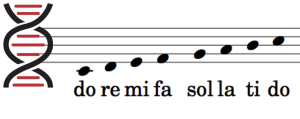
Mutation also bridges musical and genetic definitions when DNA sequences are transformed into musical notes. For a couple of hundred bucks you can upload your 23andMe DNA sequence and have it translated into a piano solo, dance music, or a fully scored orchestral work. It’s a little bit funny, but the thing is what I really mean is that it gives new meaning to Elton John and Bernie Taupin’s 1970 hit single Your Song. As a leading candidate for the award of The World’s Worst Dancer, my daughters shudder to think what my DNA would sound like if it were translated into dance music and performed in public. No doubt it would contain many nonsense mutations although my daughters would hope it contains a very early premature stop codon. In a darkly comic coincidence that bridges modern music, Herman Muller’s above quote, and DNA, the musician Frank Zappa named his official fan club United Mutations, supposedly after reading his weird fan mail (think of how unusual the mail must have been if Zappa found it strange). And in another odd connection between mutation’s musical and biological connections, Zappa sounded like Darwin when he proclaimed “Without deviation from the norm, progress is not possible.”

The earliest reference I could find to the use of the word mutation in the context of evolution was in the 1869 publication Die Formenreihe des Ammonites subradiatus by Wilhelm Heinrich Waagen, a German paleontologist and geologist (no doubt somebody used the word before Waagen; there is always somebody else who was “really the first”). Based on his observations of fossil ammonites in the Punjabi Salt Range, Waagen proposed that evolution occurred slowly through minute mutations in a definite direction and that could be observed by careful examination of successive fossil strata, resulting in the eventual emergence of new species (though I think  he was thinking of mutations as anatomic rather than strictly genetic phenomena). Waagen was a devout Catholic who opposed Darwin’s evolutionary model and who tried to reconcile the fossil record with Genesis, suggesting that new species arose through new acts of divine creation

Mutation in its more modern sense arose with the re-discovery of Mendel’s work by de Vries, Correns, and Tschermak-Seysenegg and the flowering of modern genetics and evolutionary theory in 1900. de Vries in particular emphasized the importance of mutations to evolution in his magnum opus The Mutation Theory (1901-03). Gene mutations were now understood to be the engine that drove evolutionary change and chromosomes were thought to somehow carry genes. But the physical nature of mutations remained a mystery that was not resolved until the early 1950s when Alfred Hershey and Martha Chase identified DNA as the “hereditary material” and Watson and Crick famously resolved the structure and self-replicating mechanism of DNA.

Mutations could be adaptive or non-adaptive, though the presumption was that most mutations were evolutionary dead-ends and natural selection genetically purified the population (one can see the natural jump to eugenic ideologies). Creatures that were very different from their contemporaries presumably from underlying gene mutations were sometimes called, in the vocabulary of Richard Goldschmidt, “Hopeful Monsters,” evolutionary opportunities for saltatory speciation through chromosomal level mutations (Hopeful Monster and Hopeful Monsters are also the names of two different musical bands, as well as the title of 1990 novel by Nicholas Moseley). Others thought that hopeful monsters were only hopeful ideas and that speciation occurred through a more gradual dynamic balancing of winnowing and selection of small effect mutations.

Early 20th century eugenicists took the notion that mutations were largely negative and ran with it down some dark ethical alleyways. The “defective germ plasm” of immigrants from anywhere other than certain parts of northern and western Europe, people dwelling in the lower socio-economic rungs, the feeble-minded, and other undesirables made them genetic threats to the hereditarily healthy population. The solution to avoid becoming awash in defective germ plasm was to coercively or non-coercively discourage such genetic riff-raff from producing offspring. Eugenicists also encouraged genetically desirable people to have more offspring but such genetic hopefuls were not said to carry good mutations, just good genes.

The early 1930s saw the introduction of the far more neutral term allele, derived from allelomorph, which was itself introduced in 1902 by William Bateson, who also gave us the word “genetics.” Essentially alleles were versions of the same gene that differed on a DNA level. Although allele is in genetic publications, it has never really entered into the wider public vocabulary and discussion around genetic variation.

The geneticist Herman Muller had a career-long interest in genetic mutations, starting with his work with Drosophila in Thomas Hunt Morgan’s Fly Room at Columbia University and continuing with his Nobel-winning work on radiation induced mutations. His work, perhaps more than any other, was critical in the development of the idea that mutations were primarily harmful. In his influential 1950 American Journal of Human Genetics paper “Our Load of Mutations,” he viewed mutations as a “load” that the human species had to bear. However, he thought that most mutations were only slightly disadvantageous, and that each of us carries 8 slightly harmful mutations. Each mutation carried a selective disadvantage of 2.5%, and thus on average each person has a 20% chance of death or reproductive inefficiency as a result, under the assumption that humans were still living in the Neolithic. Muller worried that the comforts of the modern world allowed more maladaptive mutations to survive and increase, and that environmental exposure to ionizing radiation increased the frequency of  new mutations. This problem could be ameliorated by reducing the amount of man-made ionizing radiation and discouraging reproduction among those who carried the most mutations, “only” 3.5% of the population in his reckoning. Theodosius Dobzhansky served as a counter-point to Muller, arguing that variation was mostly adaptive and we should embrace the social and genetic diversity brought about by mutations (Muller’s paper and his disagreements with Dobzhansky are thoughtfully discussed in historian of biology Diane Paul’s 1987 paper “Our Load of Mutations” Revisited and is my primary source here).

Thus until about 60 years ago, with a few exceptions, mutations were largely viewed as having negative effects, while recognizing that some portion must be positive to allow adaptation and evolution to occur. Other than synonymous mutations in which the amino acid sequence is not altered, the notion that a mutation could have no phenotypic effect was not seriously discussed because mutations could only be inferred by their phenotypic effects. But in the 1960s, Motoo Kimura, among others, suggested that, based on studies of protein evolution, the rate of nucleotide substitutions was so high that it was difficult to believe they all had a positive or negative phenotypic effect. He felt that most mutations were neutral, that is, they have no measurable phenotypic effect and genetic variations among populations were largely the result of genetic drift, influenced by population size and dynamics. Mutations are like algae floating in the gene pool, pulled by the stochastic and unpredictable tides of populations

In Pop Culture, public fear of mutation arose in the context of the post World War II threat of nuclear war and the potential subsequent widespread exposure to ionizing radiation. Mutants in the public conception were typically monsters or super-humans with special powers that could be a blessing and/or a curse. Godzilla, The X-Men, the backwoods Southerners of  Deliverance, certain zombies (though apparently there are some finely nuanced arguments about the distinction between mutants and zombies), Spiderman, and the Hulk all owe their unique characteristics to mutations induced by radiation or inbreeding. For the most part, you don’t want to be these creatures. While it would be pretty cool to web-sling through the upper reaches of Manhattan’s skyscrapers, hulk-out to frighten off bad guys, or maybe even level a city or two, the message is almost always that being a mutant comes with the Faustian price of giving up the soul of your humanity. In conversation, to label someone a mutant is to suggest that they are very different, and usually in not such a good way. Even when used in a sort of positive context to describe super-athletes who seem to function on a different level than their competitors such as LeBron James, Diana Taurasi, Babe Didrikson Zaharias, Babe Ruth, Wayne Gretzky, Florence Joyner, Michael Phelps, or Diana Nyad, its use suggests that they are a different species from the rest of us, “freaks of nature” (ironically echoing the centuries old terminology “sports of nature” to describe biological specimens whose anatomy deviated significantly from the species type).

Not surprisingly, for many patients in genetics clinics, discovering that they carry a mutation, even in a recessive form, can be a narcissistic ego blow and affect desirability as a mate. If you carry a mutation you are implicitly a mutant. Connotations of the word mutation contribute to fears of having children with disabilities. Currently in medical genetics, and probably for the better, mutation is falling out of favor and there is a trend to replace it with a more neutral, or least less negative, terminology. Mutations are now described as variants that are categorized by qualifiers – benign polymorphism, uncertain significance, deleterious/pathogenic, etc. Although this nicely delineates the multiple effects and uncertainties of mutations, it doesn’t necessarily suggest that carrying a mutation is a good or normal state of affairs. And carrying a pathogenic variant, even a likely pathogenic variant, usually doesn’t make you feel too good about yourself when you wake up each morning and look at yourself in the mirror.

Mutations also cause much fretting and hand-wringing on the societal level. Witness the controversy around genetically modified organisms and worries that Frankenstein-like plants or animals will take over the environment like some real-life mutation, er, variant, of Day of The Triffids. Even CRISPR-Cas9 and other gene editing systems, which are intended to fix mutations, are criticized because of fears that they may unknowingly induce undesirable mutations in non-targeted parts of the genome.

At the end of the day, mutations are part of our biological identity. They are literally etched into our DNA, although we would be ignorant of the existence of most of them in the absence of DNA sequencing technology. None of us are Wild Types and all of us are Wild Types. We should embrace mutations, not reject them (well, at least most of them). Mutation is the norm for life, not the exception. Despite their typical neutrality, fear of mutations has been used to justify religious wars, castration of pre-pubescent boys, sterilization of the “unfit,” and to engender deep-rooted psychological fears in parents and in societies. Muller and Zappa were both right – we are all mutants and we should be united. But it turns out that being a mutant is usually not such a bad thing.

For an excellent short review of the concept of mutations in the history of biology, see Mutation: The History of An Idea From Darwin To Genomics by Elof Axel Carlson, Cold Spring Harbor Laboratory Press, 2011. Once again thanks to Emily Singh for help with graphics. 

4 Comments

Filed under Robert Resta

Ancestry and the Long Distance Call

These are the days of miracles and wonder


I read the science news in 2016 and hear lyrics from that Paul Simon song echoing in my head.


These are the days of miracles and wonder

And better variant calls

The way that CRISPR works on everything

The way we sequence it all


Perhaps I paraphrase. But these are heady times, when the boy seems poised to burst out of his bubble, and fantasies of a baboon heart turn into dreams of a human heart instead, grown in a lab or in a pig, and we will have no more of slaughtering primates thank you very much.


These are the days of promises and phase one trials,

and medicine is magical and magical is art


When we cure your disease, I will feed you pancakes with maple syrup and put frosting on your birthday cake, I tell my beloved friend with type I diabetes. We will float Islets of Langerhans in a pouch beneath your skin. We will re-engineer your pancreatic stem cells to be invisible to your immune system.


Promises of miracles come with questions. Can we? Should we? How will we pay for it all?


We. We use the word freely, but what does it mean? This is a genetics question too, one that we (the purveyors and patrons of genetic technology, the readers of this blog) don’t ask ourselves often enough. Who will benefit from the miracles that are now only twinkles in the eye of brilliant minds?


Who is included when we talk about ‘we’? A family, a tribe, a nation, a species? It is one of the ironies of the genomic age that the technological revolution that makes it possible for us to think and act globally has also spawned a growing interest in atavistic concepts like bloodlines. Racism raises its ugly old head on new platforms like Twitter and Facebook. The through-the-roof popularity of ancestry testing both testifies to and nurtures an instinct to tribalism that is ancient beneath the glossy surface of its web-based, consumer-facing interface. A powerful thing, genealogy, beyond the fun and games, with the power to bring us together or tear us apart.


Research testifying to this was published earlier this year, in the form of an article called “Living in a Genetic World: How Learning About Interethnic Genetic Similarities and Differences Affects Peace and Conflict”. The authors conducted a series of studies observing how reading a single article about genetic relatedness or the lack thereof altered the response of a Jewish audience toward a hypothetical Arab population, and vice versa. Participants queried after being given a mock BBC article describing Jews and Arabs as genetic cousins expressed a less negative attitude toward individuals of the other ethnicity. Repeating their experiment with populations of Jews of different ages and from different parts of the United States, Sasha Kimel from Harvard and colleagues from the University of Michigan, Europe and Israel found that a suggestion of genetic kinship consistently increased support for peacemaking between Israel and the Palestinians.


Now don’t get me wrong, small studies and academic hypotheticals don’t represent a road map to peace in the Middle East. But the discussion points to something we as genetic counselors know from experience: genetic ideation is a powerful force in shaping notions of identity. It helps define ‘we’ for each of us.


This is something to think about every time we give out genetic information. For 23andMe and Ancestry.com, it could mean writing a report that puts as much emphasis on what unites us as on what divides us. By convention, we talk about first cousins sharing 12.5% of their DNA.   But we share more of our DNA than that with a banana. Yes, I know that what we mean is that 12.5% of our DNA and our cousin’s DNA is identical by descent. Testing companies give FAQ’s explaining the numerics of relatedness; perhaps the 99.9% we all share ought to merit an asterisk at the very least.


It is a strange moment in which we live, full of hope and promise and fear and sadness. A new era builds at our back, with unprecedented tools to diagnose, treat and even prevent disease, while the landscape in front of us is one of increasing income inequality and fitful, angry isolationism. The routine injustice of bigotry and unequal access are far greater threats to the genomic era than the sci-fi horrors of Drs. Frankenstein and Moreau. CRISPR can’t change your zip code.


There is no simple solution to this, but the battle begins with how we define ‘we’. Genetics needs to remind us of what we share as often as it tells us how we are different. Many of you are out there every day fighting battles you may not recognize as part of a larger war: battling insurance companies for access, battling to bring diversity to our biobanks and clinical trials, supporting a new vision of family, in which our 99.9% shared DNA is enough, and we are not defined by the fraction that is identical by descent. We are educators in a field that is an agent of change, and so it falls to us to work for an ever more expansive and inclusive definition of ‘we’. Without that, we risk that the amazing technology of the genomic age will be perverted into a tool for doubling down on the things that divide us.


These are the days of miracles and wonder

This is the long distance call

The way the camera follows us in slo-mo

The way we look to us all

The way we look to a distant constellation

That’s dying in a corner of the sky

These are the days of miracle and wonder

And don’t cry baby don’t cry

Don’t cry


follow me on twitter!

@laurahercher


1 Comment

Filed under Laura Hercher

Who Decides?

The past decade has seen an evolution in the way that new genetic tests become incorporated into clinical practice. Historically, genetic tests such as amniocentesis, CVS, AFP screening, newborn screening, and ethnic-based carrier screening were introduced after undergoing government-funded studies conducted by academic and clinical institutions. This research was typically supplemented by exploration of the ethical and socio-economic issues generated by new technologies and engaging the principal players in the at-risk community in open discussion. This may have resulted in a slower clinical integration of novel technologies but the net result was better patient care because the technology’s strengths, limits, and ethical and socio-economic implications were more clearly defined before the testing was offered routinely. Not to say that this approach was perfect. Recall the problems that arose when sickle cell carrier screening was introduced only to become entangled in the thorn-bush of racial politics and racial history.

Commercial interests played less of a role in such decisions in part because the tests generated lower profits due to their labor-intensiveness (think about the time spent in counting chromosomes and hand cutting and pasting karyotypes or running Southern blots), had limited target populations due to the rarity of most genetic disorders, and could be costly. There just weren’t that many large-scale genetic testing labs out there.

Now, however, genetic testing is cheaper, more profitable, less labor-intensive, and has a wider proposed target population – every pregnant woman, many people with cancer or who are at hereditary risk (maybe only 10% of breast cancer patients are appropriate candidates for hereditary testing but most of those patients have a lot of relatives), every woman, and, as with the aim of some direct to consumer (DTC) tests, everyone. Genetic labs pop up left and right, merge, expand, are bought out, and otherwise engage in business. Twenty years ago, trying to find a lab to run a genetic test could involve hours of detective work and secret word of mouth sources. Now labs are knocking on our doors cajoling and pleading for our patients’ samples. While most labs are deeply concerned about patients and are well-intentioned, they are also equally concerned about profits. Money-making, after all, is why businesses exist so it is no surprise that labs have started to take a more active role in introducing new genetic tests. This is not a phenomenon peculiar to genetics. It has been going on in medical care for decades, and genetics is just starting to catch up. It is also reflective of the growing trend in the health care industry to refer to patients as consumers of medical care and to implement customer service based patient care models.

Several genetic tests come to mind here – expanded carrier screening, offering noninvasive prenatal testing (NIPT*) to low risk pregnant women, multigene cancer panels, and SNP-based DTC testing. These tests worked their way into patient care after aggressive sales tactics and questionable advertising claims helped amplify the demand. This was further driven by competition between clinics to offer the latest and greatest tests to their patients, the general eagerness of genetic counselors to seek genetic answers for their patients, and patient word-of-mouth networks. About the only counter-balance has been a reluctance on the part of health insurers to cover new and unproven testing. Most of my patients want that new genetic test but only if their insurance company covers it, although low-cost labs like Color Genomics are challenging this limitation.

To some degree, patients can benefit from these tests but not necessarily to the extent that one might think. 23andMe states that their product should not be used for clinical decision-making – at least for now – while at the same time offering “wellness reports” and “genetic snapshots of your health.” This sounds to me like clever ad copy to deflect regulatory concerns about health claims while at the same time suggesting that the product is an important aspect of everyone’s medical care. Supporters of expanded carrier screening acknowledge its limitations in terms of  studies on net health benefits and cost effectiveness but still offer the test routinely and subtly suggest that the test is standard when they claim that they work directly with a network of over 6,000 health care professionals. NIPT may soon become an appropriate test for all pregnant women, but this conclusion should be driven by independent studies conducted outside of the commercial sector. Multigene cancer panels have shown some benefits, but not nearly as much as many clinicians had hoped for.

I am grateful for the valuable contributions that labs have made to patient care. Quicker turn around times, incredible help with verifying insurance coverage, and highly knowledgeable genetic counseling staff who happily share time and considerable expertise in interpreting complicated results. 23andMe provides far better patient education materials than any single genetic counselor or clinical institution or professional organization could ever hope to create. And 23andMe was several steps ahead of everyone in facilitating patient connections to researchers and each other as well as when the company made raw data available to consumers. I never anticipated that patients would have wanted such level of detail. Along those lines, note the recent complaint filed wit the Office of Civil Rights against Myriad in which several patients assert that their HIPAA rights were violated because they claimed that Myriad would not share all of the genetic variants that were detected, including those that are considered benign or clinically insignificant. Clearly I am still time-stuck in the era when couples were ecstatic to receive a karyotype of their unborn baby and I can’t remember a single patient requesting records of all their amniotic fluid metaphase spreads and cell counts.

Of course, introducing new tests before they are ready for prime time is just part and parcel of living in a market driven society. The context is much larger than the genetics niche or even medical care in general. Labs and competitive clinics should not be faulted for engaging in behavior that is widely condoned elsewhere. Nor should all blame be placed squarely on the shoulders of labs. Everyone needs to be engaged in this process. It is not just the buck dancer’s choice, my friend. Labs can put the brakes on new tests a bit. Clinicians and labs need to form better relationships while tests are in development. Labs need to step back while independently funded research verifies claims of accuracy. Governments need to step up funding for such research. Clinics need to fend off marketing pressures to prematurely offer the newest tests to patients. Communities need to be involved in the process. We all need to work harder to dispel the myth that genetics is destiny and that DNA is the blueprint for our humanity. Labs need to be fully transparent with their data even if it means sacrificing some basic business principles of corporate secrecy.

The explosive growth of lab positions for  patient-focused genetic counselors – roughly 20% of genetic counselors are employed by labs, according to the 2016 Professional Status Survey of the National Society of Genetic Counselors – can help implement a wiser policy on test development and introduction into medical care. Of course, as I have mentioned previously (ad nauseam, according to some) genetic counselors will need better training to navigate the murky, complex waters of conflict of interest.

Labs, clinicians, and patients need to recognize that market forces don’t have to be the only engine that drives policies on test development and introduction into clinical practice. We are talking peoples’ lives here, not trying to outmaneuver Pepsico’s Cheetos in the market niche for snacks that you can’t seem to stop eating, even when your hands and mouth turn that peculiarly unnatural orange color (did you know that there are 21 different types of Cheetos on the market? Cheetos Sweetos, however, has been discontinued.). Innovation can be wonderful, exciting, and improve medical care. Let’s just do it wisely.


  • – actually it would be more accurate to say that the P in NIPT stands for placenta. It is not really cell free fetal DNA; it’s cell free placental DNA.

7 Comments

Filed under Robert Resta

Appearances Are Important

About two months ago a story about conflict of interest in the Boston Globe caused a bit of a kerfuffle in the genetic counseling community. The article reported on the experiences of some pregnant women who felt that financial conflict of interest on the part of a few genetic counselors had resulted in the patients being given misinformation about the results of their non-invasive prenatal testing (NIPT). The counselors mentioned in the study had either received speaking fees from the lab where the testing had been performed or was an employee of a lab.

In my reading, the source of the patients’ understandable frustrations stemmed not so much from conflicts of interest on the part of the genetic counselors as it did from misunderstandings on the part of the patients and their physicians about the distinction between the false positive rate and the positive predictive value of NIPT. These two very different statistical measures can easily be confused with one another and this confusion has haunted maternal serum screening since AFP screening for spina bifida was introduced in the early 1980s (we sometimes used to darkly joke that the A in AFP stood for Anxiety and the F stood for an impolite word that would be familiar to Boston Red Sox fans when they describe their nemesis Bucky Dent). Providers and patients often incorrectly interpret a false positive rate of, say, 0.2% to mean that a positive test indicates a 99.8% probability the baby will be affected with the disorder in question. Who would not be anxious if they were convinced that there was over a 99% chance that their baby has a potentially serious health condition?

I am sure that the genetic counselors in the story understood the distinction between positive predictive value and false positive rates, and tried very hard to convey this to the patients. These counselors are well-respected and highly ethical colleagues. Really, they could have been any of us. We all have been in these counselors’ shoes and we were all feeling their pain – as well as the patients’ pain – when we read the story. Did some blind spot on the part of the genetic counselors not allow them to see how their counseling may have been influenced by an unacknowledged conflict of interest? Perhaps, and that is a point worth considering seriously. But as every genetic counselor knows, the anxiety and emotional fragility of couples faced with threatening information, particularly during pregnancy, usually dominate genetic counseling sessions and can result in patients coming away with a less than perfect comprehension of statistical fine points. We humans are emotional creatures, not Vulcans.

I think that the evidence for overt financial conflict of interest on the part of these genetic counselors was not strong. The counselors were certainly not exploiting these patients “for personal advantage, profit, or interest,” in the words of the Code of Ethics of the National Society of Genetic Counselors (NSGC). My guess is that the concern about conflict of interest arose from at least one of the patients not finding out about the counselor’s relationship with the lab until afterwards (from the article it is not clear if at the time of genetic counseling the patient was aware of the counselor’s financial ties to the lab but it seems that she learned about it only later).

And therein lies a critical point about conflict of interest – the appearance of financial conflict of interest can be just as corrosive as actual conflict of interest. Grumble though we may about the article, by bringing this to our attention, the reporter, Beth Daley, performed an important service for genetic counselors and our patients and we should be thankful for it. Public trust in our professional skills and judgement can be seriously compromised if patients perceive us to have a financial conflict of interest. Unless we openly and honestly confront conflict of interest in all its many forms, rather than deny its existence or ignore its potential, problems and misconceptions stemming from the appearance of conflict of interest will only worsen. And, possibly, a more blatant financial conflict of interest scandal may one day rear its ugly head (it would be astonishingly naive to believe that “It can’t happen here.”).

So how can the NSGC and individual genetic counselors help reduce the appearance of conflict of interest? We should be in the vanguard of addressing financial conflict of interest and demonstrate that we take it seriously. To this end, I have one concrete suggestion – the on-line NSGC directory of genetic counselors should include voluntarily provided information about the financial relationships of genetic counselors with any company other than their employers. And the directory should also clearly state who the employer is in situations where genetic counselors are employed by labs but working in hospitals and providers’ offices. While we are at it, maybe the American Board of Genetic Counseling should also consider doing this with its directory of certified genetic counselors. The Affordable Care Act requires this of physicians but for now the law does not apply to genetic counselors.

I am guessing that this suggestion might not immediately sit well with some of us. But once you get past your initial reaction and think about it a bit more clearly, it is a simple and powerful idea. It is also consistent with Section 1 of the NSGC Code of Ethics, which states that genetic counselors should:

Acknowledge and disclose circumstances that may result in a real or perceived conflict of interest.
Avoid relationships and activities that interfere with professional judgment or objectivity.

Actions are more powerful than words. Voluntarily including this information in the NSGC directory demonstrates that genetic counselors recognize that conflict of interest is a real problem and that we are not sitting around waiting to do something only if some federal law eventually requires us to do so. It allows patients to learn beforehand about a genetic counselor’s financial ties and gives patients the opportunity to discuss it openly with counselors. Or, if patients are so inclined, they can seek an alternative counselor or a second opinion.

Transparency is always the best policy – for us and for our patients.

5 Comments

Filed under Robert Resta

Everyone’s Worst Nightmare

The story that I tell here is, I know, a one-sided tale. It is also the source of pending litigation. A friend of a parent of the child reached out to me to ask me to share the story with the genetics community with the hope that some good could come out of a terrible experience, and did so with the approval of the parent’s lawyers. I obtained the details from publicly available records. I am not passing judgment on who was right, who was wrong, who did what, and who didn’t do what; the lawsuit will rule on that. I have had no involvement with the care of the patient or the subsequent legal wrangling, nor do I have any particular expertise about the disorder in question. For months I have struggled with whether the DNA Exchange is the appropriate venue for this, but ultimately decided that the family’s voice needs to be heard. I have largely anonymized the story because, really, specific names and diseases do not matter. What matters is that steps need to be taken to help ensure that other patients, families, providers, and laboratories do not repeat this sad tale.

The child was born about a decade ago, the product of an uncomplicated, happy, and desired pregnancy. At a few months of age, the child developed seizures after receiving a routine vaccination and went on to experience ongoing seizures of differing types. Various diagnoses were entertained particularly mitochondrial diseases and treatment included standard anti-seizure medications. A number of specialists were involved with the child’s care, including geneticists. Early on in the work-up genetic testing identified a mutation in a gene linked to a disorder that would explain the child’s seizures, a finding which the lab interpreted as a variant of unknown significance (VUS). Based on available literature at the time, there was some reason to believe that the variant might be a pathogenic mutation – it had been reported in affected patients –  but determining the clinical significance of a gene mutation is a problem that continues to plague genetic testing today.

Now here is where the story gets complicated and fuzzy, and to me where the tragedy starts to unfold. Apparently, the physician who ordered the test decided that the genetic test result was inadequate to help establish a definitive diagnosis, and pursued other diagnostic possibilities. As far as can be gleaned from the records, the genetic test results were not shared with the family although some of the treating physicians had considered the diagnosis on clinical grounds. The child continued to be treated with medications that, unfortunately, worsen the seizures for the condition that the child was ultimately diagnosed with – a condition caused by mutations in the gene in which the VUS was found. Sadly, the child died a few months shy of 3 years old from intractable seizures likely related to the contraindicated seizure medications.

The family did not find out about the genetic test results until about 7 years after the child died and only then after a parent requested the results. A few months later, the lab produced a revised report that reclassified the variant as a disease-associated mutation. Curiously, the report does not contain a revision date nor does it include the reasoning or data that led to the revised interpretation.

On one level, this story tells the genetics community nothing it did not already know – interpreting the clinical significance of a VUS is a terribly complicated and at times subjective affair. There is no single gold standard that can be used to determine clinical significance, which involves complex statistical, genetic, and biological analysis. Two equally capable labs can look at the same set of data and come up with diametrically opposite conclusions. Articles address the frequency of variants in genetic testing and differences in interpretation, along with providing an idea of the scope of the problem. But statistics are not stories. Stories convey the human impact of statistics and the urgency of the problem. As the saying goes, one death is a tragedy; a million deaths is a statistic (attributed to, of all people, Joseph Stalin).

Public databases such as ClinVar are starting to address this problem but they are still in their infancy. Indeed, a recent check of ClinVar revealed only one entry for the variant in question and the entry doesn’t even classify the variant. As human genome testing is ordered at exponentially increasing rates, the need for a uniform approach to genetic test interpretation and data-sharing is beyond pressingly critical. Restrictive gene patents and data hoarding may be good for business but they are not good for patient care. Lots of money will be made through genetic testing; some portion of those profits need to be channeled to funding well-curated freely available databases ( a database that is not well-curated is useless, and potentially harmful). Perhaps there could be tax breaks for labs that share data and government funding could favor research projects utilizing labs that share variant data.

But this story highlights other potential weaknesses in the genetic testing process. Parents and patients need to have pre-test genetic counseling so they are clearly informed when genetic testing is ordered. Results need to be explained to patients, even if they are uncertain. This is no mean feat, especially when a patient is going through an extensive work-up and many tests of all varieties are being ordered. Results have to be clearly available in medical records so all providers can have ready access to them, and patients should always have a copy of their test report made available to them along with an explanatory letter. A letter to the family summarizing the results could have prevented a lot of anguish for this family. There must be good mechanisms in place to regularly update test interpretations and for those updated interpretations to be communicated clearly and without delay to providers and patients. Patients should be encouraged to actively participate in seeking more information about their genetic test results and to enroll in centralized databases such as PROMPT. Maybe labs should allow a random sample of their report interpretations to be audited by an unbiased third party such as the College of American Pathologists to assure adherence to test interpretation guidelines. This could be a voluntary program but labs may be eager to participate as a selling point of their commitment to accuracy. Governments and insurers must allot the funds and resources for all this to take place.

The outcome here was the worst possible for everybody – most especially the patient and the patient’s family, but also no lab and no care provider ever wants something like this to happen to a patient. It haunts us all. If any good can come out of this, then this story will inspire us to work with greater urgency and cooperation to create workable solutions. Our patients deserve no less than the very best.

This posting is dedicated to the memory of the child whose all-too-short life is discussed here.

12 Comments

Filed under Robert Resta

The GC Crucible: the pressures on modern genetic counselors open the doors to opportunity

A Guest Post By Brianne Kirkpatrick

In a chemistry lab, a ceramic crucible held over an open flame melds disparate materials into a single, new, cohesive thing. Indestructible, it stands up to the heat and pressure. When used in metaphor, it’s a severe test or tribulation that leads to transformation. What comes out of a metaphorical crucible is the true character brought about by the need to adapt and change in a new environment.


If there is one thing I can get behind, it’s a belief that our job as genetic counselors is getting

harder. We work in a cauldron of new pressures and new challenges, ones that are causing us to adapt and discover what is at the core of our profession and what make us strong and unique, as individuals and as a cohesive group. We’re in a crucible right now, and that Bunsen burner is cranked up high.


Our clinical challenge is that the more we learn about genetics, the more complexity we discover (see item two in Laura Hercher’s top ten stories list for 2015 ). More information makes our job harder, even as it provides new hope for our patients. Similarly, the challenges of discovery and complexity that complicate our lives also provide new opportunities for genetic counselors.


How do we capitalize on those opportunities? Here are three suggestions:


  1. Rally around the development of the Genetic Counseling Assistant vocation. The NSGC funded a grant to study this, and there have been discussions about this at recent meetings and on various listservs. GCAs job are available, and individuals are employed as GCAs around the country already, in laboratory and clinical settings. Like a para-legal to a lawyer, GCAs master administrative tasks and carry the burden of extra work that often sidelines the genetic counselor or reduces his or her efficiency – phone calls, paper work, records requests, insurance pre-certifications, initial intakes, and the like. The only way we are going to keep up with the demand for GC services is to increase efficiency for ourselves and free up genetic counselors from work that impedes their ability to serve all who need and are seeking their services.


  1. Evolve or die. We as a profession must figure out how the future of genomics will include us. To do this we must immerse ourselves in current issues – in the clinic, in the research world, in the spheres of business and government – and then speak up when the genetic counselor voice must be heard. Get involved in your state’s genetic counselors’ group (consider founding one if it doesn’t exist). Volunteer in groups and for projects of the National Society of Genetic Counselors. Develop a professional social media presence. I chose to involve myself in the NSGC Public Policy Committee, believing strongly that taking a stand on issues of policy that affect us as genetic counselors allows us to determine our profession’s destiny, not others. Every committee and special interest group and task force of the NSGC contributes important work to the genetic counseling profession, but none of that work happens unless individuals decide to take that step and get involved.


  1. Embrace the expansion of our professional opportunities, despite the shortage of genetic counselors to fill existing clinical and laboratory roles. GC’s are finding opportunities to do something new and different, which is fitting for a group who collectively are thinkers outside of boxes. For as long as the profession has existed, GCs have used creativity, ingenuity and chutzpah, trailblazing new roles out of necessity. In every city and in every specialty area, there was a “first” GC there. If you have been contemplating blazing your own trail, now might be a good time to test out the waters, to find your niche and try something you’ve been dreaming of.


There are role models for those looking for them, as GCs excel at identifying needs and making connections. We’re problem-solvers and sleuths, and we’re a resourceful bunch. From this, we have seen Bonnie Liebers develop Genetic Counseling Services, which creates specialized teams of genetic counselors for growing businesses who need them, utilizing a world-wide network of CGCs. A group of GCs recently published an article in the Journal of Genetic Counseling sharing their experiences working for startup companies. I recently launched my own solo venture, WatershedDNA, to provide consultations on ancestry and other home DNA tests, both privately and as a part of larger projects or for companies. The niche I found was filling a need for genetic genealogists, adult adoptees, the donor-conceived community and others, all of them looking for someone who understood the psycho-social dimensions and the science behind genetic testing for ancestry and ethnicity. A perfect role for a genetic counselor, and a match for my own natural interests and passion.


Currently, I work one-on-one with clients referred to me by the genetic genealogy community, mostly individuals who have already pursued a home DNA test or are considering it. Just as in a clinical setting, we begin with family history when available and identify a client’s goals and areas of concern. We review any results they already have and discuss additional testing options, and how they might affect them and family members, now and in the future. Working fee for service and owning my own business come with financial uncertainty and lots of unknowns, but it gives me other freedoms, including flexibility and the sense of adventure that comes with pursuing an entrepreneurial path (like my father and grandfather – genetics?). It isn’t easy; I’m a worrier by nature, and some days that Bunsen feels like it’s a-burnin’ hotter than usual. But like the genetic counseling profession as a whole, I’ve found myself in the midst of a crucible that isn’t trying to destroy me; it is providing me an opportunity. A chance to change and create, to extend the reach of genetic counselors. It will engender a future of great things, if I allow it.


Let’s be willing to face the uncertainty that the wild west of genetics brings, be daring, and embrace the shades of gray as we blaze new trails. None of us chose the profession of genetic counseling because we thought it would be easy.


4 Comments

Filed under Guest Blogger

The Good Enough Sinner

In The Late Show, my previous posting to The DNA Exchange, I bared my soul about how one of my personality quirks – a perhaps overenthusiastic commitment to punctuality – insinuated itself into my genetic counseling practice. Shortly after writing that piece, I headed off for a trip to Berlin and Prague. In Prague, we visited The Museum of Communism, a quirky little place that felt like an attic where someone stored a bunch of leftover random items from the Soviet Era. While strolling through the collection, the note on the time card rack pictured below (with the note in the original language and a translation for museum visitors below it) caught my eye:

Time card holder from the Soviet Era, displayed at The Museum of Communism, Prague, The Czech Republic.

Time card holder from the Soviet Era, displayed at The Museum of Communism, Prague, The Czech Republic.

Okay, so even I admit that you can sometimes take a personal obsession with timeliness a little too far for its own good. Mr. Gorbachev, tear down that time card wall!

In response to The Late Show and Through A Counselor Darkly, my two previous postings to The DNA Exchange, several readers have rightly pointed out that the language used in those pieces was inherently judgmental, phrasing such as “unconscionably late” or “going on and on.” No argument from me there. In fact, that was the point of expressing my thoughts that way. What I have been exploring in these recent postings is my struggle between the personal Robert Resta and the professional Robert Resta. Personal Robert Resta can be a judgmental guy; Professional Robert Resta hopes that those judgments do not manifest themselves so blatantly when he interacts with patients.

In subtle and not so subtle ways, we feel pressure to be saintly counselors who always have pure thoughts about our beloved patients. In fact, though, most of us – and most especially me – are all-too-human sinners, not saints. Prick us and we will bleed. As a genetic counselor, I have plenty of impure thoughts and experience near occasions of sin, many of which can sometimes slip into my counseling sessions like a stealth bomber from my id. My counseling style will ineluctably reflect my personality, warts and all. In much the same way, my Catholic upbringing informs the imagery I use in these confessional pieces.

On the other hand, there are some good parts of my personality that I want very much to come out in my genetic counseling – wit, warmth, some measure of wisdom, compassion. I aim to be saintly when I am actively engaged in genetic counseling, but I try to maintain an active awareness of my human frailties and limitations. I am coal hoping my diamond shines through.

One can hear echoes of  Donald Winnicott‘s theory of The Good Enough Mother here (nowadays, we might say The Good Enough Parent). In Winnicott’s paradigm, The Perfect Mother is, paradoxically, an inferior parent because the child develops a fantasy bond based on an omnipotent and infallible parent, which no parent can ever be and which does not prepare the child for developing healthy, reality-based relationships with family members and the community. Instead, the Good Enough Mother’s inherent flaws are actually critical to normal child development and encourage healthy separation from dependence on the mother. I think this is what Annette Kennedy was trying to make us aware of more than 15 years ago when she wrote about supervision in genetic counseling and suggested that we should strive to be Good Enough Counselors (forgive me, Annette, if I have misrepresented you). In my version, we strive to be Good Enough Sinners.

By articulating my inner thoughts, insecurities, and feelings and sharing them with the genetic counseling community, it provides an opportunity for me to grow and to better mediate between Professional Me and Personal Me. Humbly, I like to believe that others may profit from this experience as well. If even a few of us become slightly better counselors as a result, well, Amen to that.


2 Comments

Filed under Robert Resta

The Late Show

Okay, so I admit to being a little obsessed with being on time for, well, everything in life. As I used to say to my kids when we traveled as a family, “If you don’t hurry up we are not going to arrive atrociously early for our flight!!” This personality quirk/defect extends to my genetic counseling life, where I fire imaginary heat seeking missiles at conference speakers who go way over their alloted time (and let me say, bioethicists are just about always guilty of this mortal sin), do my best to make sure my patients almost never wait very long beyond their appointment time to see me, and I arrive at work every day too early for my own good.

Because of my preoccupation with punctuality, one of my counseling flaws is maintaining professional equanimity and objectivity when patients arrive unconscionably late for their appointments. Yeah, yeah, I know that some patients are late for reasons beyond their control, but, hey, God blessed us with cell phones so you could call to let us know that you are stuck in traffic or the babysitter came late or there are delays in Radiology or the bus broke down. By the way, my olfactory sense is telling me that you think that you had enough time to catch a smoke before you got here.

So you can imagine my state of mind when just yesterday, in the final hours of my final day before a much deserved 2 week vacation, my last patient of the day showed up 45 minutes late. Up to that point, for a day before starting vacation, I was a whirlwind of efficiency in clearing off my desk, tying up loose ends, and closing out lingering cases. And I had just been thinking that, with my last patient an apparent no-show, I could actually leave slightly early and without the frisson of guilt of leaving unfinished business for my co-workers to clean up for me. At which point, of course, the receptionist notified me that my patient had just arrived and wanted to know if she should tell the patient, “Sorry, you are too late and you will have to reschedule.”

What is a good counselor to do in this situation? Most of you would probably say I was well within my rights to tell her to reschedule. At some point, you must maintain some respect for yourself, your own time, and your own needs. Reviewing her e-chart quickly, I noticed that she had already cancelled several appointments with me and others over the last year, which could mean that she was pretty ambiguous about seeing me in the first place. I vented some nasty thoughts to myself but finally experienced the counseling satori that this was another instance of my personal issues affecting the acuity of my counseling vision. Ultimately, I decided to see the patient, in part because I did not want to lose her since it seemed likely that she might never reschedule and in part because my professional ego wants to reinforce the appearance of being a good counselor.

I decided to say nothing to her about her tardiness. What good would that do? It would not make the situation any better and, besides, I was pretty sure my receptionist had already pointedly addressed that with her. I chose to use one of my favorite counseling strategies – I was silent for a few moments (let me tell you, shutting up is often the most effective counseling approaches you can pull out of your bag of counseling tricks, and it does not require any special skill, though for a loquacious chap like me, it can be difficult). I wanted to see if and how she would fill the conversational void on her own. Which she did, by acknowledging that she was very late for the appointment. So I offered her an out by asking her if she had gotten lost in the maze of the hospital campus. Her refreshingly honest and guileless answer made me smile: “No, I am just late,” she said with a sigh. I was actually starting to like her.

Immediately it became clear that this patient’s life was currently, and pretty much always had been, a mess. She had cognitive  and memory impairment, the type that seems to stem from past physical and/or emotional trauma. She retained enough neurological skills to get by in life, but just barely.  She was deeply grateful when I gave her a clipboard and pen and encouraged her to write down the most important points, and I slowly spelled even basic words for her. “Thank you,”she said, “a lot of doctors get impatient with me when I forget something that they just said and writing it down helps me understand it better but I am not a very good speller.” Man, I thought, there must be too many care providers lacking basic human interaction skills. That simple smile and unabashed gratitude on her part along made it worth delaying my vacation time.

Many of my suspicions were substantiated when I took her family history. Relatives who died of drug overdoses, plenty of alcohol abuse, some family members she was very uncomfortable talking about. She had no children (“Thank God,” the irrepressible non-professional me” whispered into my internal ear). Genetically speaking, her family history was uninteresting. But psychologically and emotionally, it spoke volumes. Which, by the way, is why I dislike substituting family history forms for constructing a good old-fashioned pedigree. I know I am old-fashioned but so much richness potentially lost!

Truth be told, the counseling session was on the short side (I am not a total sap, after all, and I do have a life outside of the clinic). But I am pretty sure she left with at least a basic understanding of the role of genetic testing and why it might be important for her “Oh, I get it. I might get cancer again if I have the gene. I don’t want that to happen.” She has probably had few positive interactions with medical professionals, which undoubtedly contributes to her history of no-shows. So I could feel good about myself that maybe in some small way her experience with me will encourage her to at least reduce her pattern of canceling appointments. I suspect, though, that she will always be chronically late, and there is not much I can do about the poor counseling skills of some medical professionals.

After  more than three decades as a genetic counselor, I still do not have a coherent, uniform approach to deciding whether or not to see patients who arrive unacceptably late. I will also go to my grave being chronically early, though hopefully not for my appointment with The Shroud Tailor. This one episode doesn’t change any of that. But it does remind me of the importance of taking each case on its own merits. I must also continue to try to be aware of ways in which my own personality issues subtly worm their way into my counseling voice, and to recognize the rhythms of the Transference/Counter-Transference Tango we subconsciously engage in with our patients. As the saying goes, it takes two to tango.

And, now, off to Berlin and Prague.

6 Comments

Filed under Robert Resta

Through A Counselor Darkly

The beast in me is caged by frail and fragile bars
Restless by day
And by night, rants and rages at the stars
God help the beast in me
– Nick Lowe, The Beast In Me

“Alright already, lady, enough about how you are sure that stress caused your cancer. I’ve been listening to you go on and on about it for like the last 15 minutes.” Such was the dark thought that, unbidden, streamed upwards as steadily and elegantly as a champagne bubble from deep within my id and up into my conscious brain during a recent genetic counseling session. The thought bubble was persistent enough that it interfered with my ability to pay attention to the issues at hand. Fortunately, my eventual awareness of it allowed me to deflate it and let it sink back down to some cryptic neurological crevice. I refocused myself, validated her concerns and explored the sources of her stress and why she thought it may have led to her cancer.

A few days later, out for a run, I lapsed into a meditative state and was able to process what happened. My patience for patients had been wearing thin that day – she was late for her appointment, I had yet another too full schedule, the office assistant was out sick, my bus ran late that morning. Bad days and bad thoughts happen; it comes with the genetic counseling territory. We all think that way sometimes (well, I hope I am not the only one).

The experience intrigued me enough that I decided to track some more of my dark thoughts during my genetic counseling sessions over the next week. I was amused by my eventual realization that my internal thought voice had an accent and tone that was much closer to that of my Brooklyn youth, whose edge has now been tempered a bit after nearly 4 decades as a NYC ex-pat.

Here’s a sampler of thoughts from my work week; some I am embarrassed to acknowledge. Honestly, I did not tell you the worst of them but sometimes it seemed as if mini-versions of Ted Cruz or Donald Trump had taken up rude residence in my head:
– “Hey, you have some nerve comin’ in here stinking of cigarettes. I mean you have cancer for Crissakes. Where are your brains?”
– “You don’t want your ovaries removed? Are you kidding me? You have a BRCA1 mutation, you’re 57 years old, and your mother, sister and an aunt all died of ovarian cancer in their 50s? I wanna’ dope slap you upside your head.”
– “What do you mean you don’t want to undergo genetic testing? You are the key person for your entire family. Without your results, we can’t establish risk and appropriate screening and risk reducing strategies for your children, siblings, nieces, and nephews. You are going to let some stupid family feud that started over some Christmas dinner a decade ago get in the way of possibly saving lives and suffering? Grow up, please.”
– “Boy, is that a really bad haircut! And those clothes! Are you aware that it is not 1983 anymore?”
– “Stop acting like Mr. Know-It-All. You may have done a lot of reading on the Internet, but you clearly didn’t understand half of it, and the half you do understand is largely misinformation.”

Confessing my dark side to the Good Readers of The DNA Exchange is difficult, to say the least. Baring one’s counseling soul is not without its awkwardness. Probably many of you are having more than your usual share of dark thoughts about me. In fact, I am having my own dark thoughts about myself at this point.

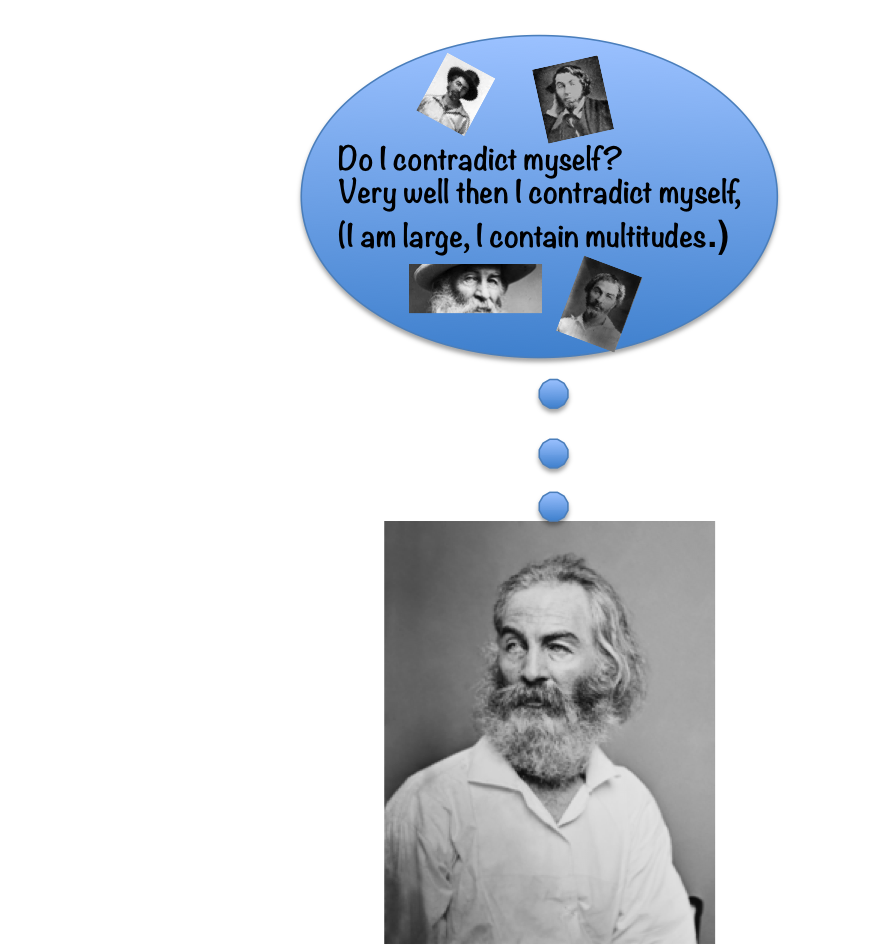
But I don’t think this means I am a bad counselor or a bad person or a potential Republican presidential candidate. These thoughts are really about the struggle between my professional self and my private self, both of which are multifaceted, changing, and difficult to pin down. Like my fellow ex-Brooklynite Walt Whitman, my self-song is contradictory, large, and contains multitudes.

Walt Whitman

My dark internal discourse is part of the ongoing, complex, and never-ending evolution of professional development. I don’t necessarily agree with the sentiments of these thought bubbles or think they reflect the “me” that I present to the world. By processing these discomfiting dark thoughts I hopefully emerge a better counselor and a better person, someone who I prefer to believe is ruled more by Good Angels than Lucifers.

This requires continual vigilance, learning, awareness of the pressure they put us under, and growth to admit to them so as to understand where they are coming from. No doubt the struggle between the yin and yang of transference and counter-transference is at play here too. The goal is to not let them unconsciously insinuate themselves into the external counseling dialog that we engage in with our patients. Probably I fail at it frequently; yet one more reason why we should pursue professional supervision and openly discuss these issues at our educational conferences.

This is our last dance

This is ourselves

Under pressure

from Under Pressure, written by David Bowie and Queen

The obvious truth that I can’t lose sight of is that genetic counseling is about patients, not about me, my viewpoints, or my belief that I am so damn right about everything that they should put me in charge of the world. The other truth is that darkness can be turned into a shining light that makes us better people. It is at the core of the human condition, and if we allow it, beauty, self-awareness, respect for humanity, and a deep sense of wonder can transform us. God help the beast in us all.


11 Comments

Filed under Robert Resta

The Top Ten Stories in Genetics, 2015: A Bacterial Editing System Goes Viral

Genetic modification was not invented in 2015. DNA was edited before CRISPR/Cas 9, just as books were printed before the Gutenberg Bible. Is it crazy to compare CRISPR to the printing press? Perhaps, time will tell. But the comparison does illustrate the enormous transformative power of technology made cheaper, faster and more efficient. It is hard to overstate the likely impact of CRISPR on medicine; it is already revolutionizing the development of new therapeutics from gene therapy to stem cell therapy to customized cell lines for drug development. Improvements to the technology and new applications for use have come so thick and fast that at times it seems like #crisprfacts, the hashtag invented to mock the CRISPR hype, can hardly keep up.

crispr facts 2

crisprfacts

crispr facts

Here’s mine…

Now is the winter of our discontent made glorious summer by CRISPR. #crisprfacts

Oh, yeah, and some other things happened too. Here’s the countdown:

  1. Roche Buys Billion Dollar Stake in Foundation Medicine

In January 2015, the Swiss pharmaceutical company Roche spent just over 1 billion dollars to obtain a majority stake in Foundation Medicine, a pioneer in cancer genomic testing. The deal not only symbolizes but may catalyze the mainstream role of genomics in cancer therapy, as tumor testing continues its rapid ascent from cameo performer to standard of care.

Foundation, which has yet to turn a profit, offers separate tests for solid tumors and blood-based malignancies. The tests offer sequencing of a large number of genes known to be implicated in cancer, but fall short of exome sequencing and examine only cancerous cells and not the germline comparison. Foundation reports are intended to help oncologists choose therapeutic options, including drugs and clinical trials. Roche’s involvement should increase marketing of the tests in the U.S. and abroad, and they likely hope that it will bolster research, such as identifying the markers of tumor DNA that could provide the basis for the highly anticipated ‘liquid biopsies’.


  1. Matchmaker Exchange Goes Live

Screen Shot 2015-12-29 at 9.15.23 PM

When you’re driving in traffic, other people are annoying. When you are in line at the supermarket, other people are annoying. But when you are trying to solve medical mysteries with a genetic test, other people are the answer.

Parenting a child with an undiagnosed genetic disease is a trip without guidebooks. Treatment is a series of guesses, prognosis is unknown. No one can warn you about what’s to come, or reassure you about what will pass. Genetic testing may reveal the apparent cause, but in cases where the variant has not been seen before it can only be confirmed by the second case. Patient networks built around genotype can improve treatment, clarify reproductive risk and provide emotional support.

Because clinically significant genetic changes are individually rare and collectively common, finding another person with the same gene variant or the same mutation in a tumor requires access to vast amounts of information and the means of searching it. Fortunately for us, we live in an age defined by the ability to access vast amounts of information and the means search it. But sharing genetic information on the internet has been complicated by rules designed to protect patient privacy and the hot mess that is our patient records system.

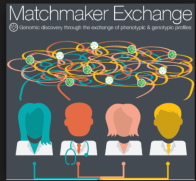
In September, a team led by Heidi Rehm announced the launch of the Matchmaker Exchange, a collaboration with multiple partners that provides secure sharing of patient information linking phenotype and genotype. Rehm described the new venture as “a reliable, scalable way to find matching cases and identify their genetic causes.” Congratulations to the field of genomics, and welcome to the Internet Age.


  1. Illumina Launches Helix, a Consumer Genomics Platform

Helix

In 2015, the consumer genomics industry is not so much an industry as it is a high tech field of dreams, a plowed-under cornfield in the cloud, waiting for the crowds to arrive. “They will come,” says the prophet in the James Earl Jones voiceover voice, “not even knowing for sure why they’re doing it. They’ll arrive at your door as innocent as children, longing for the future. They will pass over the money without even thinking about it; for it is money they have and peace they lack.”

But while back in Iowa poor Ray had to fight the bankers to keep his dream of a self-sustaining ghost baseball industry alive, capitalists are lining up to host the field of genomes. Both Google and Apple have cloud-based storage systems for DNA sequence data; Illumina’s proposal is unique in that you pay not for storage but for use. The company is betting that multiple third parties will develop consumer applications that require genomic information, smartphone apps that personalize your risk for side effects from pharmaceuticals or calculate the degree of relationship between you and your Tinder match. Helix holds onto your genomic digits the way Amazon holds onto your credit card information, making it easier for each new purchase to flow through them.

Illumina, the undisputed heavyweight champion of second generation sequencing, makes a forward-looking move here, tilling the soil in a hypothetical ecosystem. Two years ago, the ‘consumer genomics industry’ was a fancy synonym for 23andMe, one single tree that dominated the landscape. Ironically, the FDA pruning of 23andMe in 2013 that cut back their health and wellness business provided a little sunshine for smaller farmers, and in 2015 the first green leaves of a thousand consumer genomics products popped up out of the dirt, offering gene-based advice on the treatment of mental illness, on diets to suit your metabolic type, on the probability of cardiac events. These new shoots are individually weak – in many cases not rooted in the science, in others likely to be mown down by regulatory mechanisms not yet in place – but collectively they represent a widespread belief that there is money to be made in these fields.


  1. In Memento Moratorium

 “It is easier to stay out than to get out.”

                                                –Mark Twain

On April 18th, a group of Chinese scientists led by Junjio Huang published a paper in Protein and Cell describing their attempt to edit (but not implant) human embryos using the CRISPR/Cas 9 system. The goal was to alter the hemoglobin-B gene, which happened in 4 out of 54 embryos, although all 4 were mosaic – some cells were altered and others were not. This, the authors concluded, was not a success. Improving “fidelity and specificity,” they wrote, is a “prerequisite for any clinical applications of CRISPR/Cas 9-mediated editing.”

But failure or no, the publication ignited a firestorm of debate. On one thing the scientific community agreed: the experiment was evidence that the question of to edit or not to edit is in the offing. Improvements in the efficiency of gene editing are occurring so fast that the technology used in the study was itself a generation or so out of date before it made it into print. Can we do this? Not yet, say the authors of this paper. Should we do this? That is a much harder question, a question that launched a thousand editorials in 2015.

Early debates about what should or should not be allowed in DNA engineering did not focus on the human germline, but the consensus that evolved drew a line between somatic human uses for gene therapy, and changes that would affect eggs, sperm or embryos. Avoiding changes that would be passed down through generations confined any unintended effects to the individual, and sidestepped all the societal issues wrapped up in the concept of ‘designer babies.’ The moratorium that some scientists called for after word spread of the beta thal experiment is not new, and if heeded would reinstate a tacit agreement that had been in place since the 1970’s.

Oh, but it is easy to say you wouldn’t do something when you can’t. The Chinese paper resulted in an international summit on human gene editing in December, hosted by the National Academy of Sciences. The statement produced after 3 days of meetings endorsed somatic uses and germline research, but labeled any clinical use (i.e., use that could result in a baby with edited genes) irresponsible – for now. The note of caution may have obscured what is effectively a rejection of any hard and fast limitations. “As scientific knowledge advances and societal views evolve,” the organizers wrote, “the clinical use of germline editing should be revisited on a regular basis.”


  1. Sequenom Introduces a Non-Invasive Scan of the Genome

 Facts are stubborn, but statistics are more pliable.”

                                                            –Mark Twain

 In September 2015, Sequenom launched MaterniT Genome, an expanded version of its non-invasive prenatal screen designed to catch all microdeletions or duplications greater than or equal to 7 MB. This is simultaneously not that important at all and an illustration of everything we are dealing with now and a window into the future.

The new Sequenom test joins its stablemates VisiblitiT (tests for trisomies 21 and 18) and MaterniT Plus (tests for all the trisomies plus select, well-characterized microdeletion syndromes like Wolf-Hirschorn or Cri-du-chat).   All the tests report on fetal sex. Everybody reports on sex, and the most common form of informed consent for testing consists of an obstetrician asking the patient “do you want to do the test for gender?” (I can’t prove this but it’s true. Ask around.).

Of the three other U.S. purveyors of non-invasive testing, only Natera includes the option of a microdeletion panel. Although NIPT is the hottest selling thing in the universe, reaction to the microdeletion panels have been lukewarm, and here’s why: math. The Achilles heel of NIPT is positive predictive value, or the percent of the time that the test flags a pregnancy and is wrong. Even when a test is very accurate, the rarer the condition, the higher the percentage of false positives. Doctors and genetic counselors don’t like false positives because in real life a ‘false positive’ is a very frightened and very upset patient, and in real life some of these patients have ignored advice for follow up and terminated pregnancies that turned out to be unaffected (this sounds very extreme but remember that they are looking at a test labeled 99+% accurate, and under intense time pressure at just around the point when most people go public with a pregnancy).

Microdeletion syndromes are rarer than trisomies, so even as accuracy remains high, positive predictive value drops precipitously. Sequenom offers no estimates of PPV, and Natera’s own numbers suggest a PPV of just 5.3% for 22q11 deletion syndrome. In this context, the Sequenom genome-wide test seems like a curious step. Not only does it raise serious questions about PPV, but most of the deletions and duplications would be uncharacterized, meaning that counseling patients on the predicted effect of the change would be complex. None of this is exactly obvious in the Sequenom promotional material, which highlights 99.9% specificity and 92.9% sensitivity.

Why is a test likely to be used sparingly a top story for 2015? Because it has a ‘more information/less clarity’ aspect that is very 2015. Because it shows the quandaries into which we wander, when we take our limited 2015 knowledge into the realm of prenatal testing. And… because limited use may grow over time, as Sequenom no doubt knows, so that this may well be a first look at the prenatal testing of the future.


  1. Gene Expression? There’s a CRISPR for that.

crisperizer

When exactly did the reports on CRISPR start to sound like an infomercial? Maybe it was March of 2015, when scientists from Duke University led by Timothy Reddy and Charles Gersbach published an article describing their success using an adapted CRISPR/Cas 9 system to create a targeted increase in gene production.

CRISPR! It slices, it dices… No wait, there’s more…

In this case, the modified CRISPR program links a guide RNA that searches out the target DNA with a protein that catalyzes acetylation – so instead of gripping and snipping, your bonus CRISPR tool finds the appointed enhancer region and flips a switch, turning gene production on. And voila: “A programmable, CRISPR-Cas9-based acetyltransferase…leading to robust transcriptional activation of target genes from promoters and both proximal and distal enhancers.”

Clap on, clap off… the Clapper!ld0oalpb8u8le

Debates may yet rage about the nature of epigenetics and its intergenerational significance (hell, spellcheck still refuses to recognize it as a word) but no one argues about the importance of gene expression. Changes in gene expression are central to both development and stasis; altering gene expression provides a possible avenue of control of every process from learning to aging.

Amazing! And for far less than you might think! Does it come in red?


  1. A Prenatal Genetic Test Reveals Cancer in the Mom-to-Be

In the four years since non-invasive prenatal testing was introduced it has grown into a market worth over half a billion dollars annually in the US alone, with double digit growth projected for years to come. The number of invasive procedures has fallen off a cliff, with many women opting not to do amniocentesis or CVS after reassuring results on a non-invasive prenatal screen. But not everyone has been reassured. In March of this year, Virginia Hughes at Buzzfeed reported on the case of Eunice Lee, who learned she had cancer after the lab reported unusual results on her non-invasive screen.

This rare event – Sequenom suggested that one in 100,000 of their tests results pointed at a malignancy, with just over half of those subsequently confirmed – affects only the (thankfully) limited universe of pregnant women with cancer, but the story is more universally significant for at least two reasons.

The first is how it reflects the challenges surrounding non-invasive testing, the first major testing modality to roll out as an industry unto itself. Since it’s inception, this technology has developed in a highly competitive and market-oriented environment (one Sequenom executive lied about early test results and would have gone to jail if she hadn’t died first) and many people have suggested that their pre-market studies were inadequate and self-serving. The FDA has pointed to non-invasive testing as an example of why laboratory-developed tests need more regulation. All of this criticism has continued despite the fact that the tests are extremely popular and largely successful, and have decreased the need for more expensive and more dangerous invasive testing. Because it is so new and because the early studies were limited, these funky results are an anomaly that put the testing company into an awkward spot. Although they look like cancer, they can’t be officially reported as cancer, because there are no studies to validate that claim. Ignoring them, on the other hand, seems like an ethical breach to me, given that there is some evidence that suspicions are correct. Sequenom chose to call the test non-informative, but alert the physician to their hunch. Other companies have chosen to say nothing in similar circumstances.

The second take home point of this story is how close we are to a new type of cancer diagnostic, one that will be used both as a screen and a test for recurrence or the effectiveness of chemotherapy. If prenatal testing is any model (and it is) it will appear soon, all the companies involved will sue one another frequently, and we will all work out the bumps as we go along. One of these days we will all be surprised to read about someone concerned about cancer who discovered she was pregnant.

Eunice Lee and Benjamin

Eunice and Benjamin  Lee

Ms. Lee, by the way, was successfully treated for colon cancer with surgery alone, and gave birth to Benjamin, a healthy baby boy.


  1. Baby With Cancer Responds to Treatment Using Genetically Modified Cells

The headline for this segment should have been, First Clinical Use of CRISPR Technology Saves Baby With Cancer, except no part of that sentence is true. The gene modification technology used wasn’t CRISPR but Talens, an older approach that is more expensive, less flexible and more technically demanding. It wasn’t the first use of gene modification as a therapy, just the first that presents a promising path to widespread use. And let’s not jinx the baby, five months into remission, with an overconfident use of the word cured.

And yet, 18-month-old Layla Richards is home with her dad and mom (probably mum; they say mum in Britain) 6 months after doctors counseled the family to consider palliative care for acute lymphoblastic anemia. If there was a miracle involved, it was simply the miracle of being in the right time and the right place – Great Ormond Street Hospital in London, which had on hand modified T cells intended for use in a clinical trial for the French biotech company Cellectis, slated to begin in 2016. The Cellectis process involves knocking out a gene in donor T cells so that they cannot attack host tissues – a step that eliminates the need to use the patient’s own cells, a personalized approach that makes it slower and more expensive. Several companies that have been developing autologous approaches saw their stock prices fall in the wake of this announcement. In the case of baby Layla, doctors say they were unable to find enough T cells to extract for treatment.

Who did what first is a subject best left to the historians (and the patent lawyers). This story represents where we stand in 2015, on the cusp of therapeutic innovation built not on serendipity, the great innovative engine of the past, but on knowledge and engineering. We are entering an age of miracles that are not miracles at all, because we can both explain and reproduce them. And we are entering it fast, with technology out of date before the gun goes off, like thoroughbreds groomed and trained who show up at the starting gate to find themselves racing unicorns.


  1. First Analysis of Large Data Sets Suggests: When It Comes to Variant Classification, It’s Clinician Beware, At Least For Now

 “The trouble with the world is not that people know too little; it’s that they know so many things that just aren’t so.”

                                                                                                -Mark Twain

Anyone arrogant enough to believe we were equipped to interpret the human genome must have found the last few years humbling, poor foolish person. But most of us, veterans of the diagnostic odyssey and the variant of uncertain significance, were prepared to admit that it was early days. The collective need for more information has in recent years overcome proprietary and competitive instincts, and convinced many researchers and commercial laboratories to share their data. The top story for 2014 was ExAC, a Broad Institute initiative that has aggregated exome data from over 60,000 healthy adults.

Preliminary analysis of that data is in, with a couple of headlines. One – no surprise – there’s a lot we don’t know. As expected, mutations that result in a loss of function are constrained in genes associated with severe disease – in healthy individuals, you should see limited loss of function in genes where disruption causes a severe phenotype. We saw this purifying effect in many genes, and 79% of them are not yet associated with human disease. That’s the knowledge gap that we need to fill.

Headline number two: lots of things we thought we knew are wrong. The extent of this may qualify as a surprise, although careful observers will not be shocked. Plenty of evidence existed that existing databases and analyses were larded with inaccuracies. The database ClinGen reported in June that among the 12,895 unique variants with clinical interpretation from more than one source, 17% were interpreted differently by the submitters. The ACMG guidelines for variant interpretations published in March stressed that variant “analysis is, at present, imperfect, and the variant category reported does not imply 100% certainty.” Analysis of ExAC, a preliminary report suggests, shows that most individuals carry a rare and presumably deleterious variant in a gene associated with dominant disease. Beyond inaccurate classification, this may be evidence of incomplete penetrance, subclinical presentations, or simply the resilience of the genome. Take home point, as stated by Dan MacArthur et al, “The abundance of rare functional variation in many disease genes in ExAC is a reminder that such variants should not be assumed to be causal or highly penetrant with careful segregation or case-control analysis.


  1. The Power of Gene Drive

“The only difference between reality and fiction, is that fiction needs to be credible.”                                                                                                 –Mark Twain

Do you know that moment in the movie when the hero has to decide whether or not to commit some morally ambiguous act in order to save thousands of lives? Remember that? Well, forget about it. That make-believe drama cannot compare with the real life dilemma facing scientists, regulators — all of us, actually – in light of this year’s signature story, a CRISPR-mediated system that can rewrite the laws of evolution to propagate traits devised in the laboratory.

Gene drive is a term for a biological process that increases the probability that a given gene will be passed along to the next generation. In 2014, Kevin Esvelt and George Church at Harvard (et al) wrote a paper describing how CRISPR could be used to insert a tricked-out version of an edited gene that included the machinery to hack out the corresponding gene from the other parent and replace it with a copy of itself, complete with the gene drive complex. Introduce this zombie gene into any fast-replicating population and the allele frequency doubles with each new generation until there aren’t so many wildtype alleles left to convert.

Welcome to 2015, when a hypothetical is always just one grad student project away from reality. In November, Sharon Begley at STAT reported that success with fruit flies in the UC San Diego lab of Ethan Bier had led to a collaboration with UC Irvine’s Anthony James, who has developed an edited mosquito gene that destroys the parasite that causes malaria. Success could mean the most effective means of malarial control ever devised, and one that effectively spreads itself.

Herein lies the dilemma: this intervention is not so much introduced as unleashed. Although Church and Esvelt recently published a paper detailing strategies for containment and reversal of gene drives, concerns remain over the specter of unintended consequences. The Pentagon and the United Nations are reported to be concerned about the potential for weaponized insects. Scientists and ethicists have expressed alarm about the unknowns associated with any disruption of an evolved ecosystem. But the WHO reports that in 2015 there were 214 million cases of malaria and almost half a million deaths. So here’s the movie pitch: the mosquito is a terrorist killing 1500 children every day. You, the scientist, can reprogram the mosquito, with unknown impact on the entire planet. The developing and developed world can’t overcome their mutual distrust to make a plan. Do you release the zombie mosquito?

Buy it as a movie? No one would. It’s just too out there.

Screen Shot 2015-12-29 at 9.19.28 PM


Follow me on Twitter

5 Comments

Filed under Laura Hercher